3 days (2 Nights) by plane to the Masai Mara, from Ukunda, Mombasa or Nairobi
3 days
Availability 6
3 days by plane to the Masai Mara, from Ukunda, Mombasa or Nairobi, depending on availability and subsequent safari in the Masai Mara with a 4×4 Jeep.
Day 1: Masai Mara
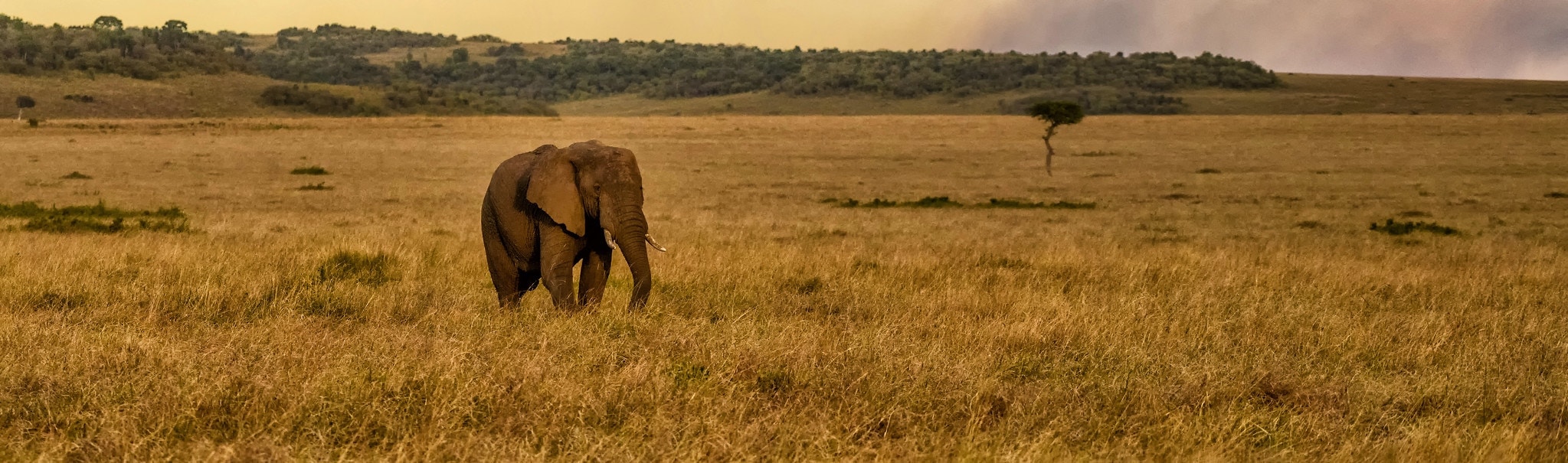
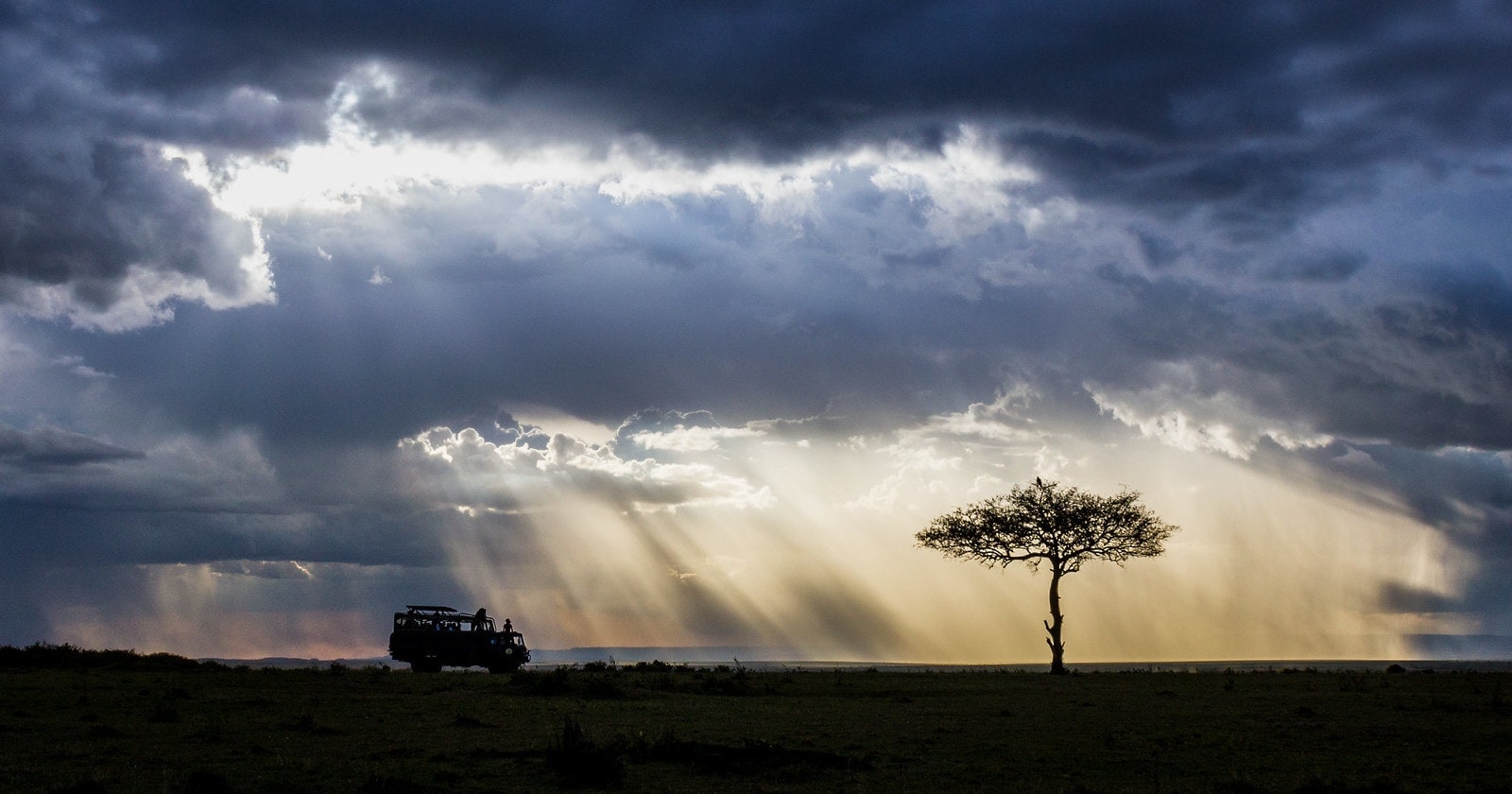
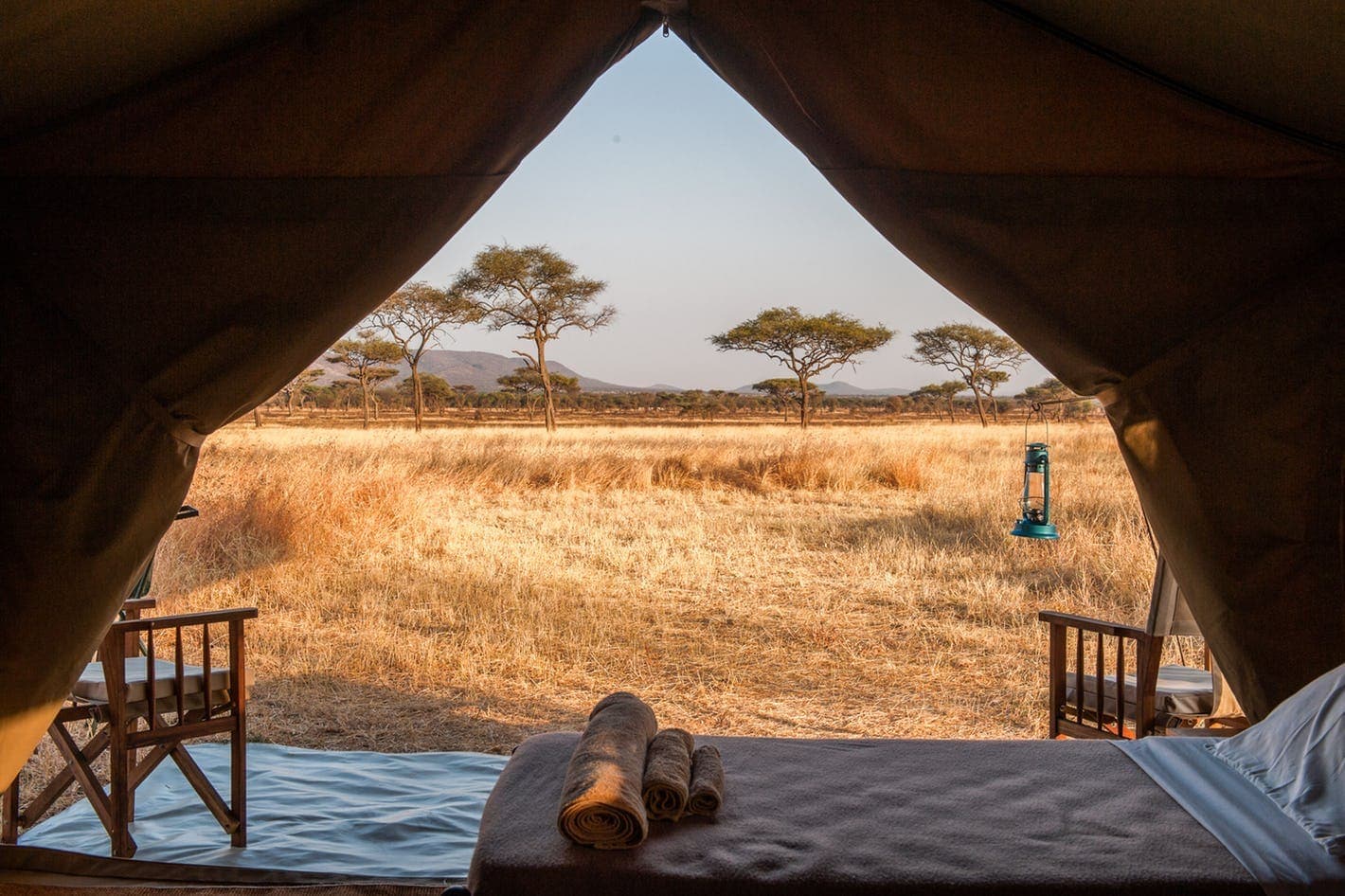
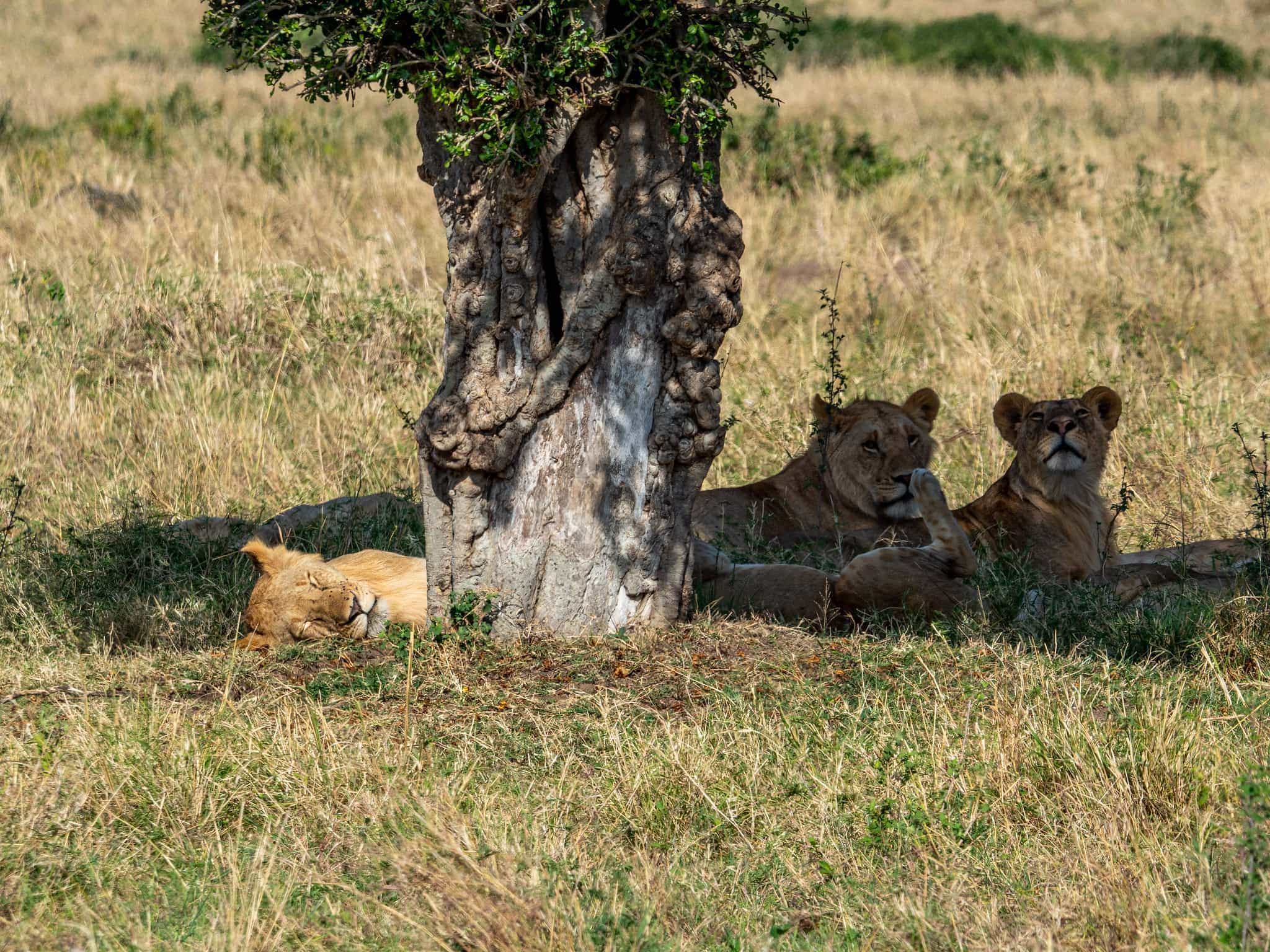
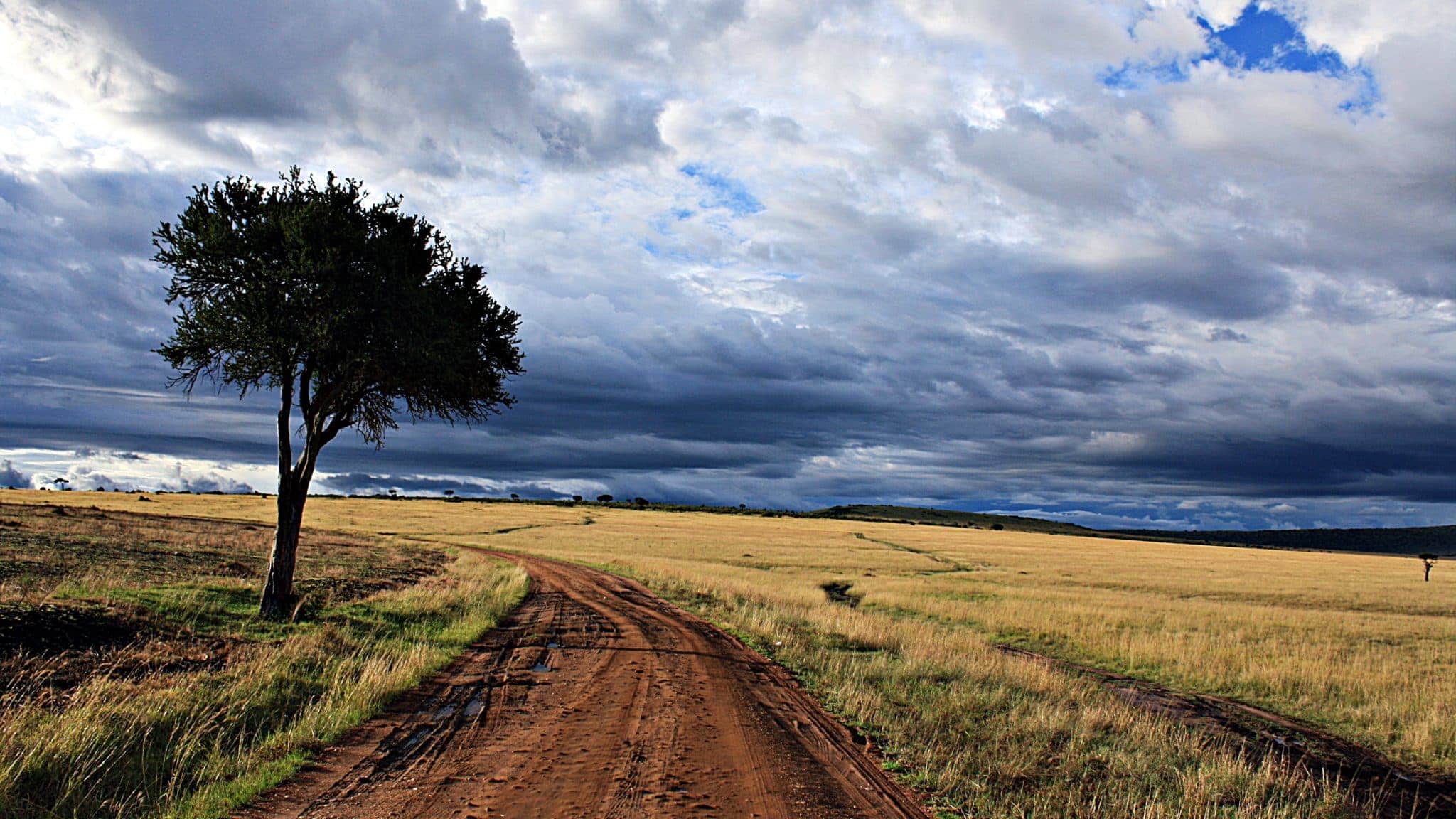
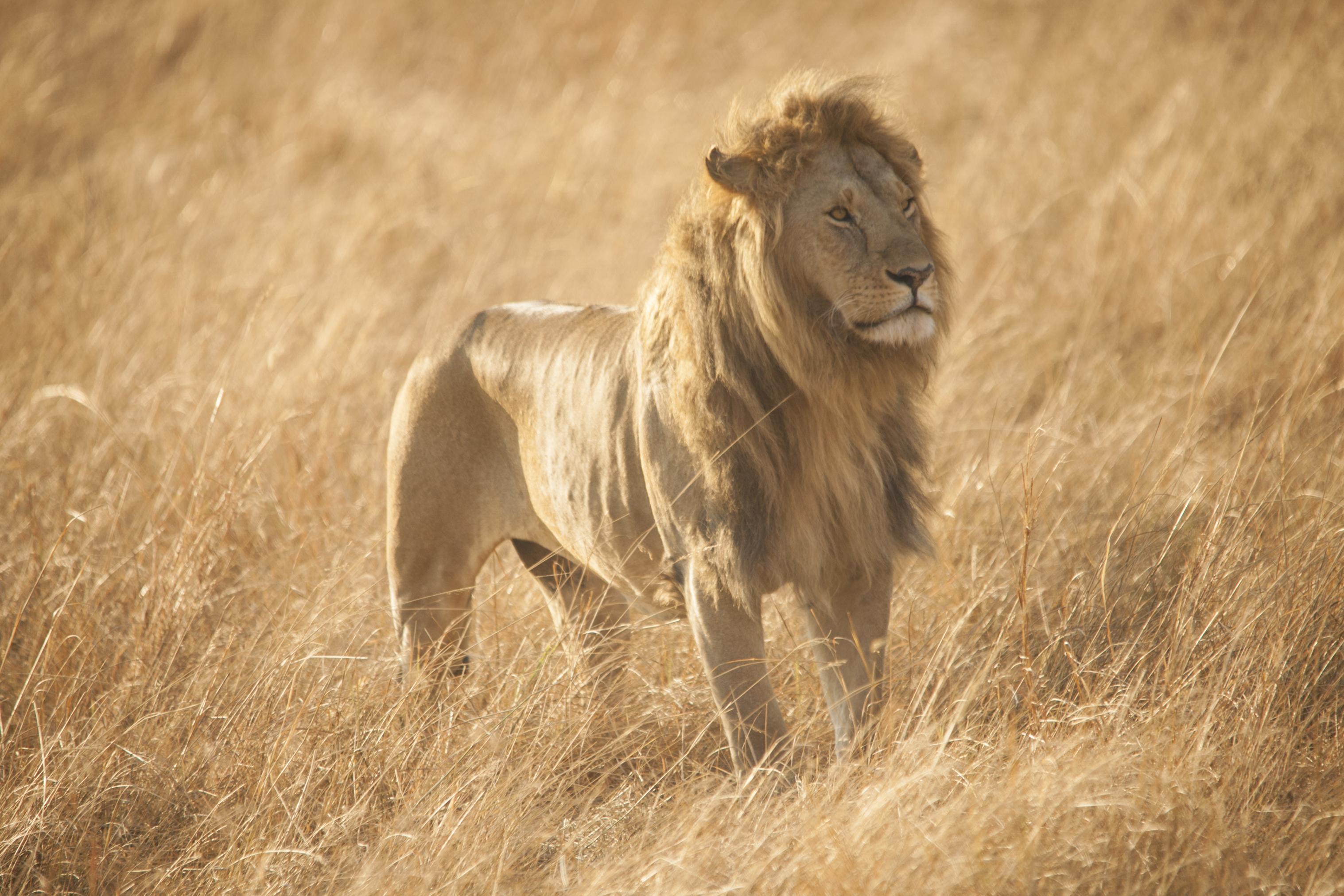
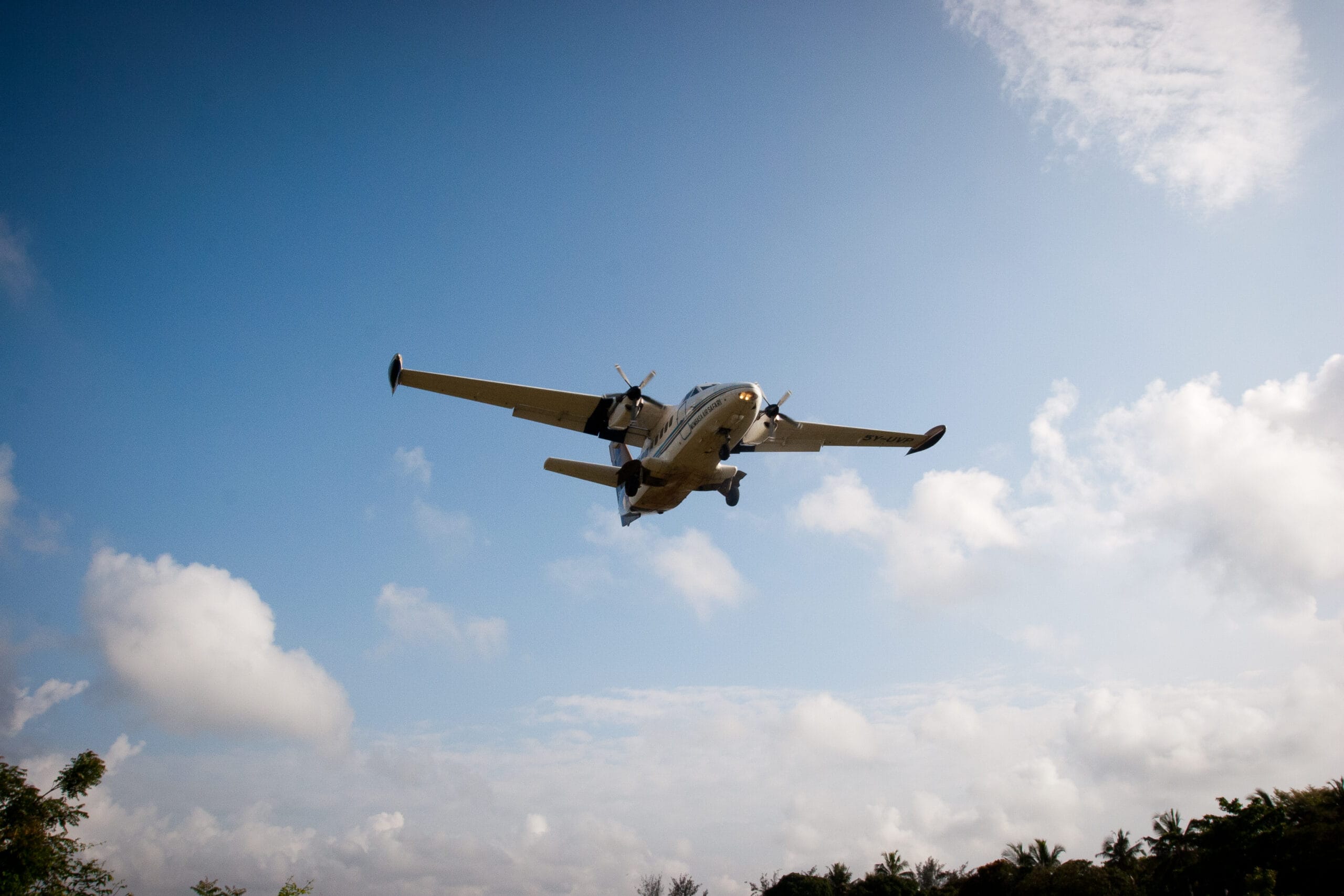
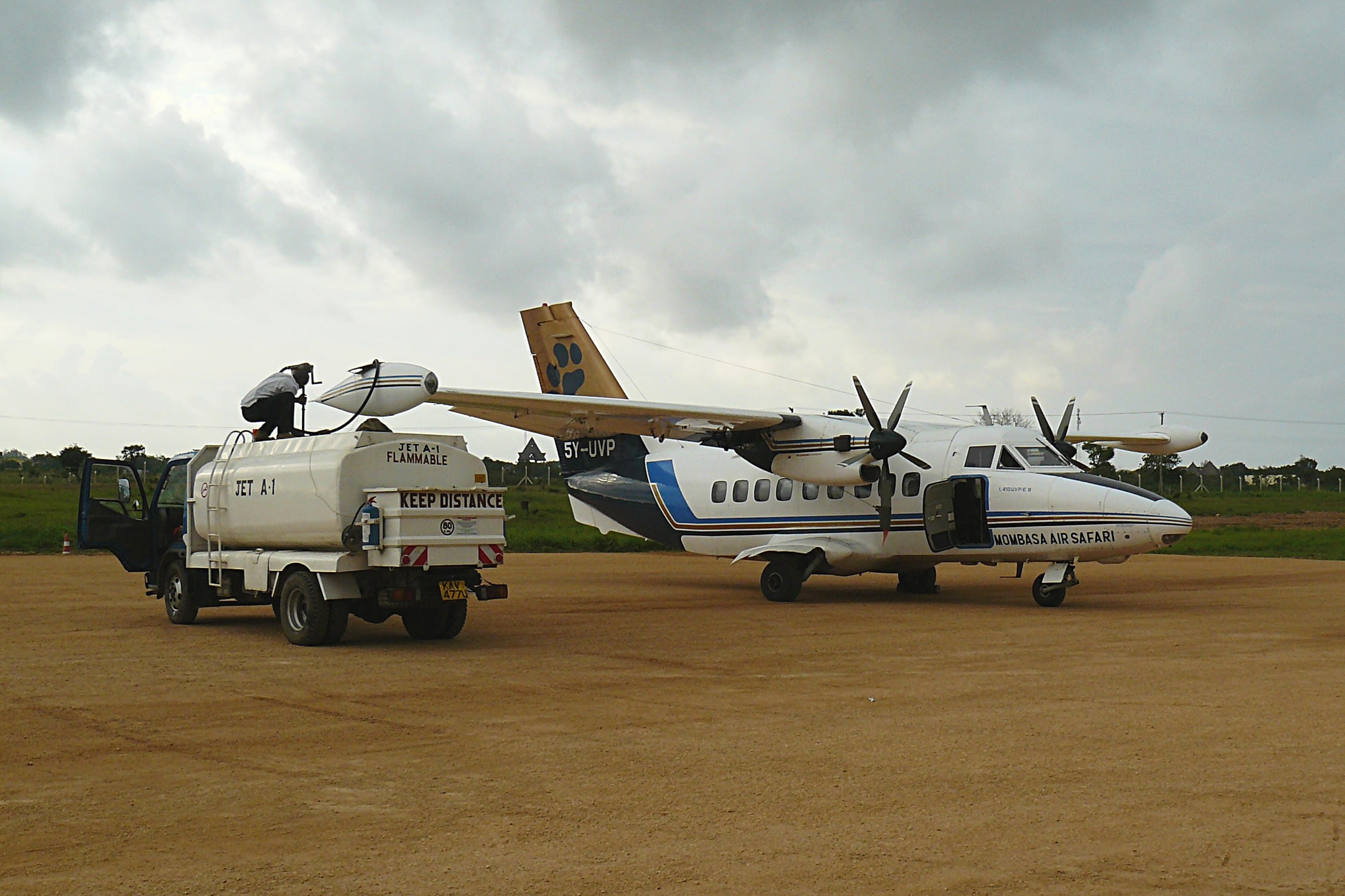
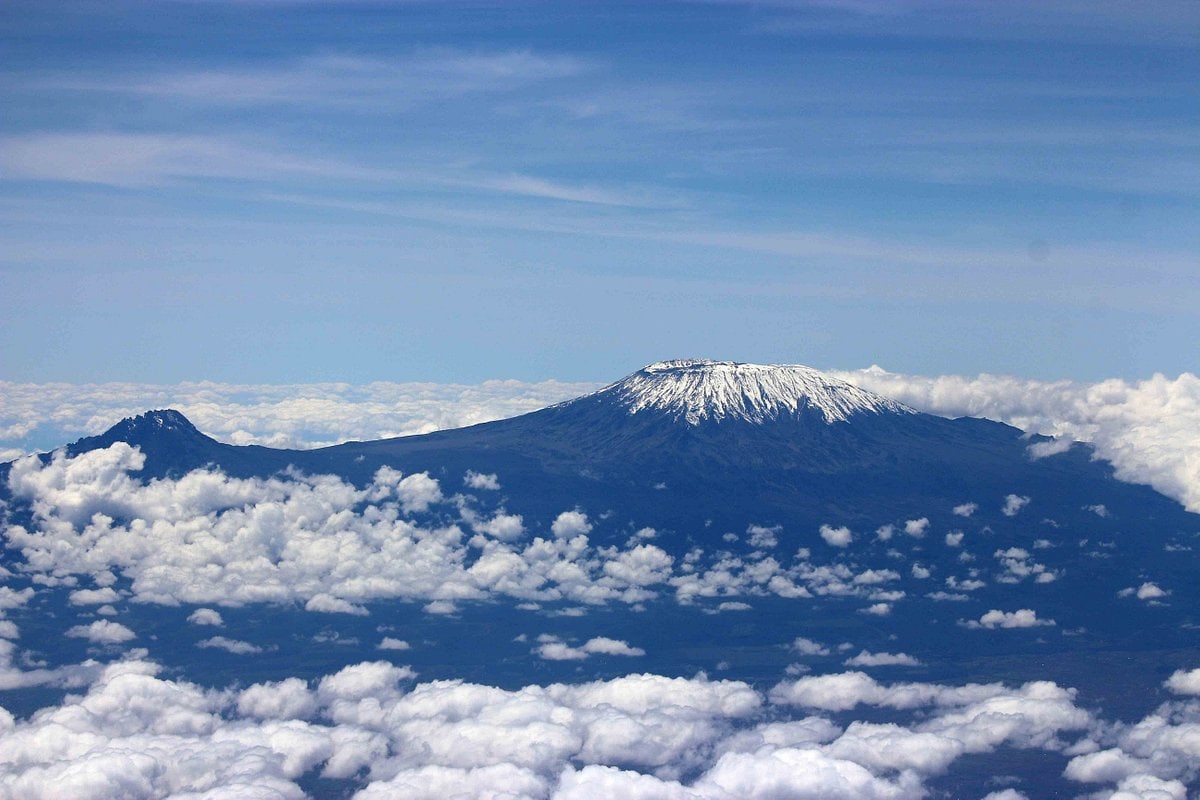
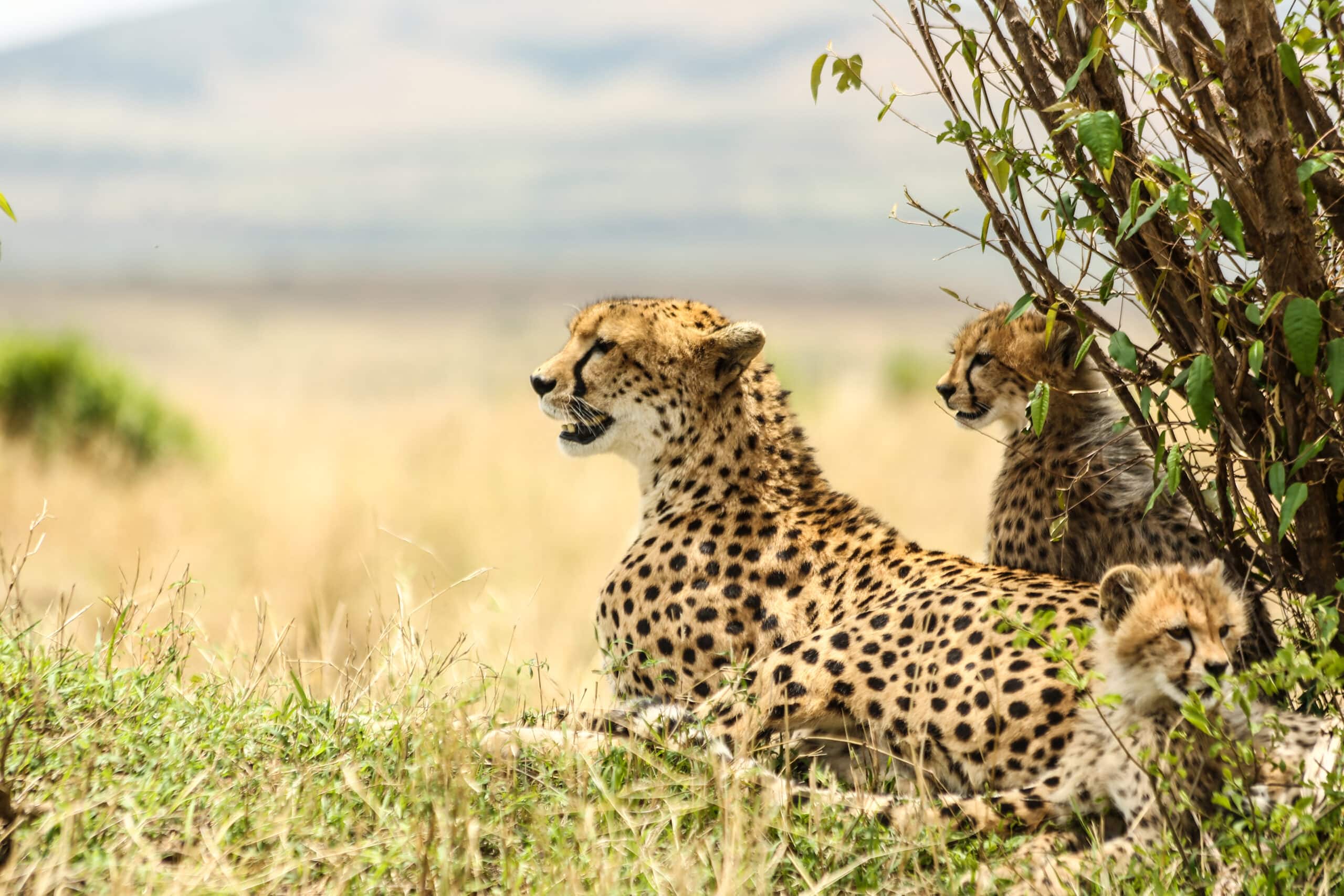
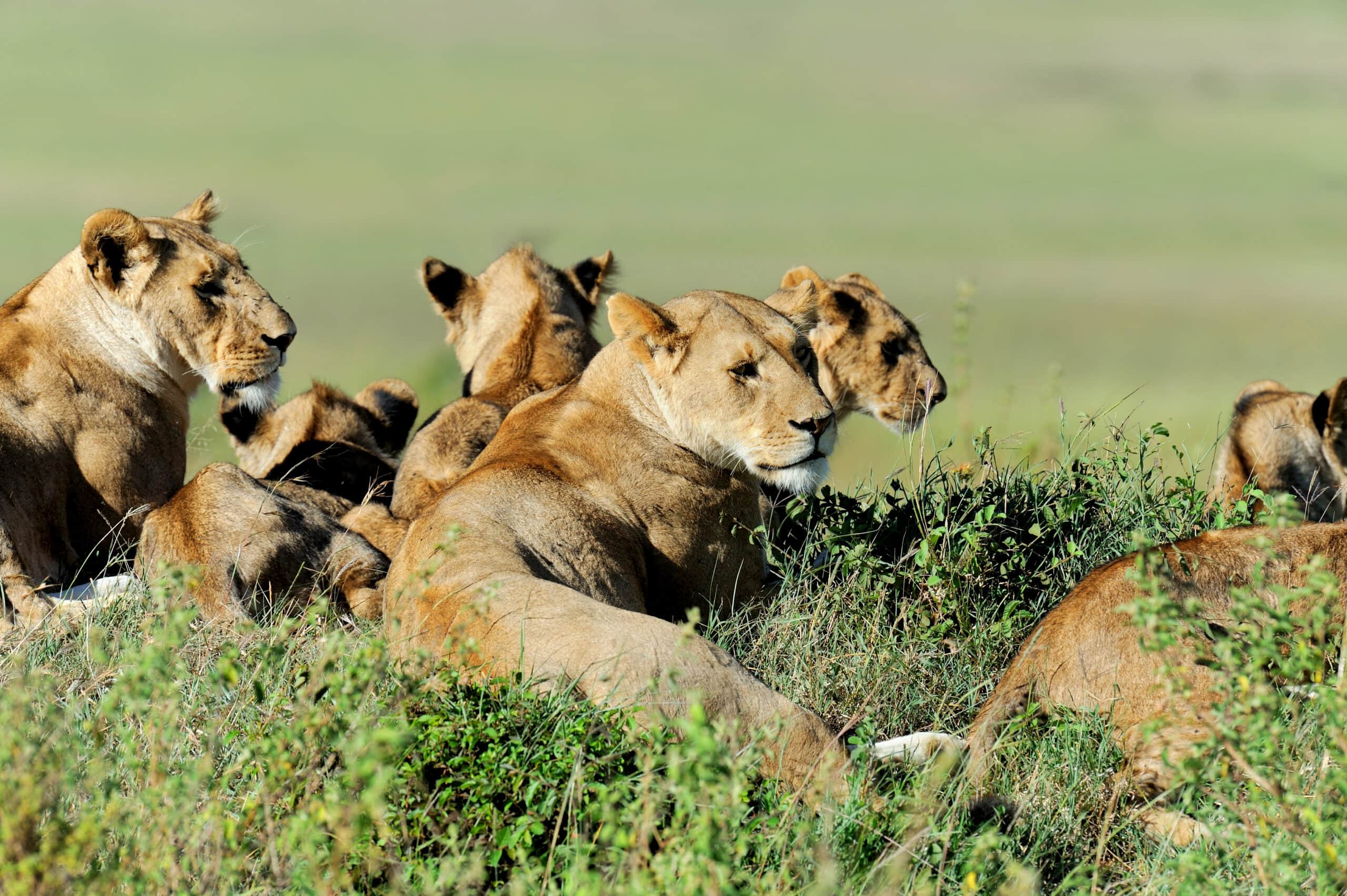
You will be picked up from your hotel around 7.30 am and driven to Ukunda or Mombasa Airport. Then fly over Mt Kilimanjaro(Highest Mountain in Africa) landing in Masai Mara National Reserve in 2Hours, arriving at about 11.00 am.You will met by our driver / guide and have game drive on the way to with a 4×4 vehicle. Proceed to the Camp for check-in and lunch. Relax until 16.00 where you go on another game drive until sunset. The Masai Mara National Reserve has an area of 1584 km2 and it is one of the most famous and most visited National Reserves in Kenya. Local attractions include the Mara River, Talek River, Loita Hill, Serengeti Plains and the annual animal migration from July to September. The landscape is interspersed with forest and grassland savannah with acacia forests. The Masai Mara is famous for its lions, elephants, leopards, cheetahs, gazelles, rhinos, hyenas, etc. It is also attractive to birdwatchers. Dinner and overnight at Olumara Camp or other alternative accomodation.
Day 2: Masai Mara
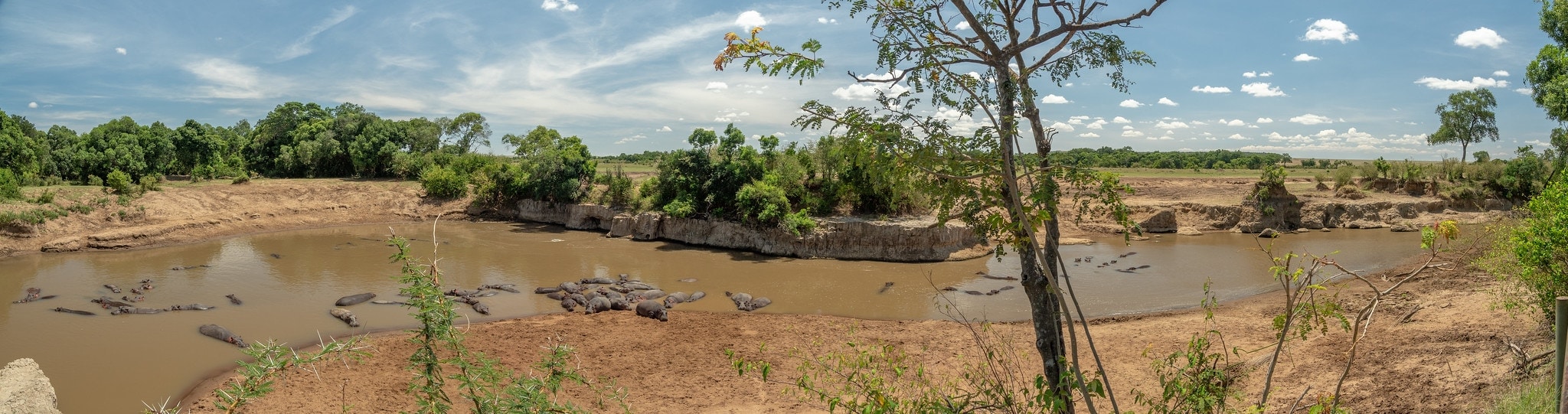
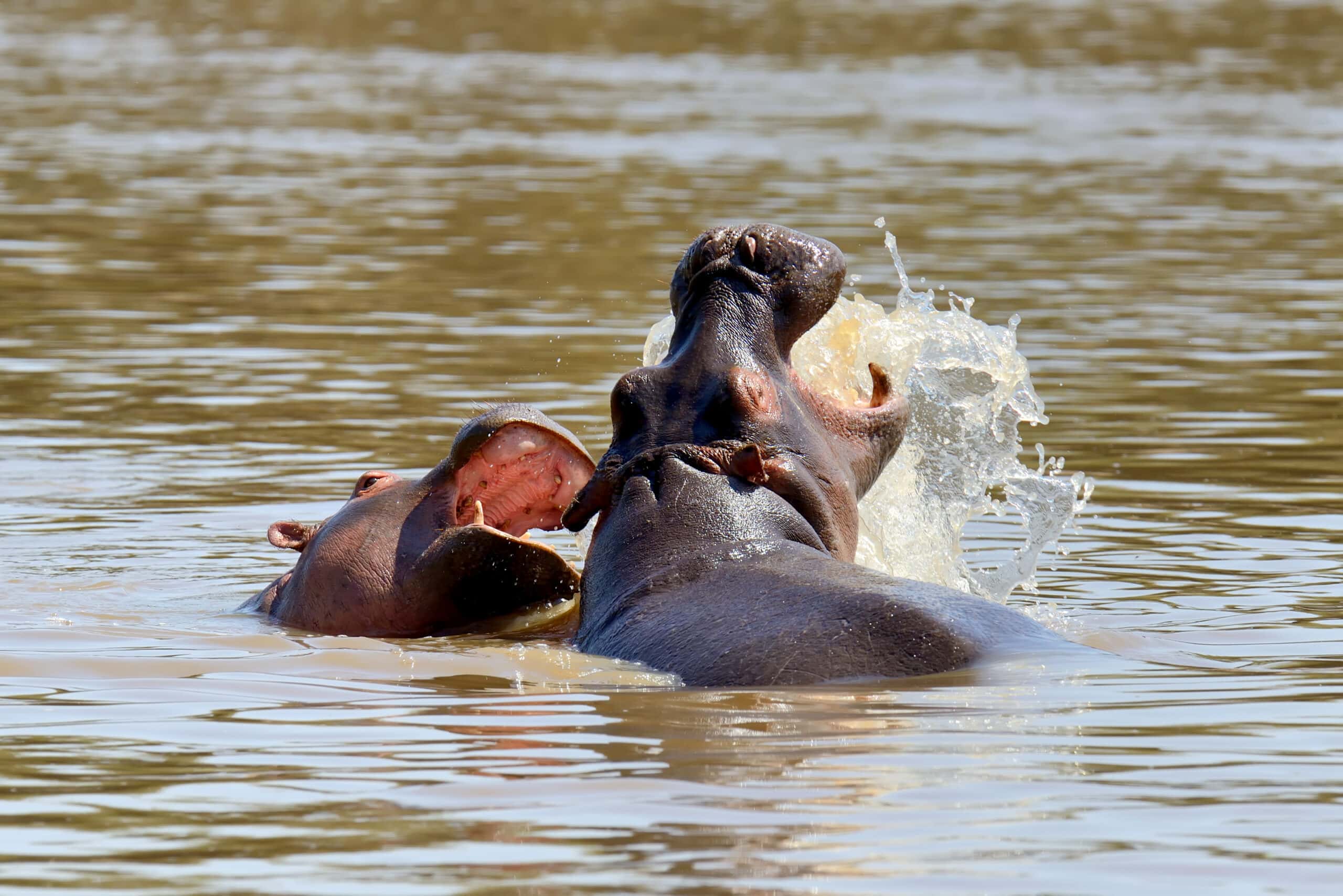
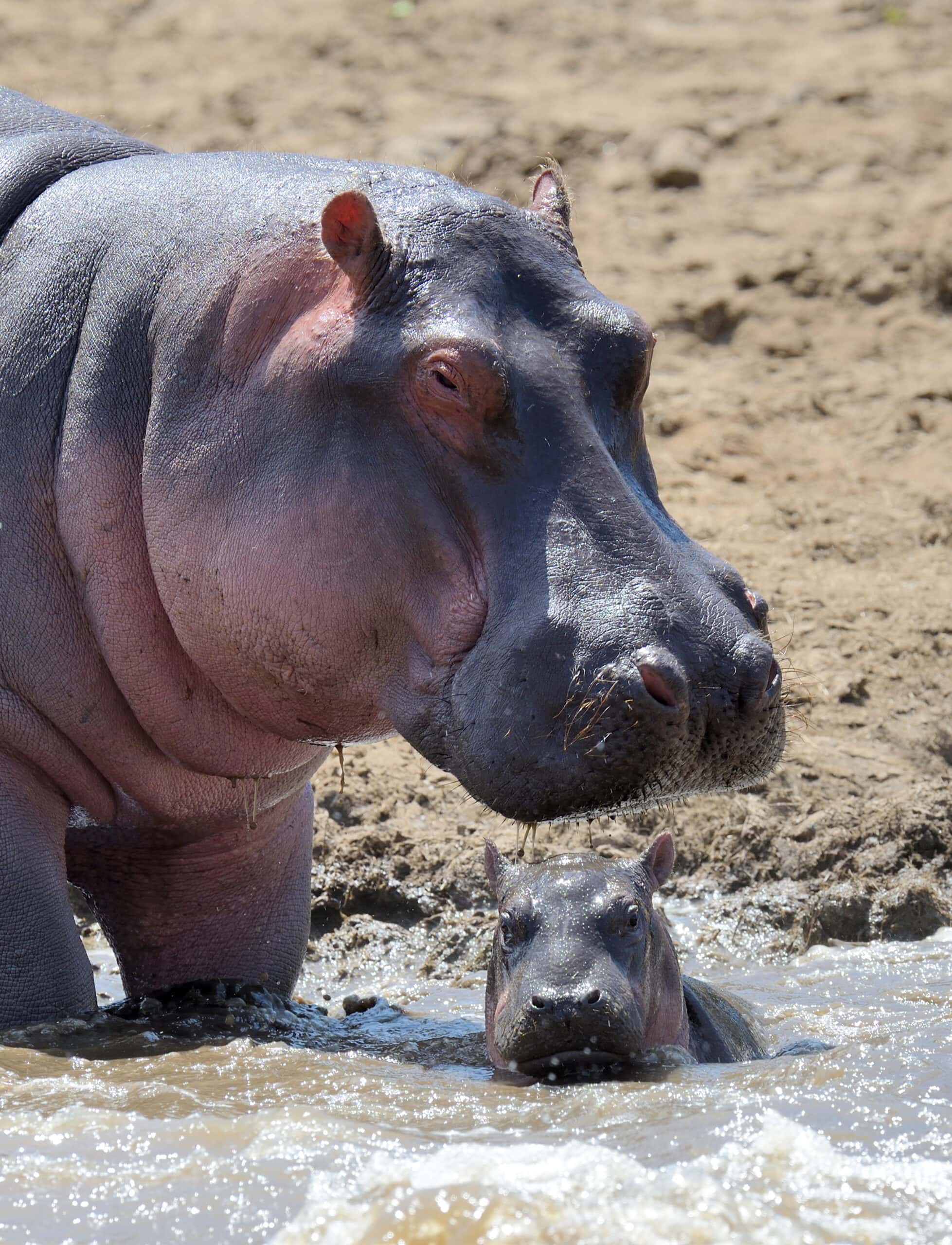
Early morning cup of hot coffee, followed by an early morning game drive, then back to camp for a full breakfast. After breakfast another game drive with a visit to the Mara River to observe hippos, crocodiles and wildlife migration sites during migration time from July to September. (There is another possibility for a game drive with a packed lunch until the evening). Dinner and overnight at Olumara Camp or other alternative accomodation.
Day 3: Masai Mara
After breakfast at the camp. After breakfast they will drive to the Masai Mara Airstrip for their 11.00 am flight to Ukunda. Our driver will take them back to their beach Hotel where you will arrive at 2.00 pm
Alternative accommodations in Masai Mara are:
N / B 75% discount for children from 3-12 years.
The Masai Mara is the most famous and popular wildlife in Africa. It is located in the northernmost part of the Mara Serengeti ecosystem, which covers 25000 km2 in Tanzania and Kenya.
The Serengeti National Park in the south, the Oloololo / Siria cliffs in the west and the Masai shepherd areas and protected areas in the north, east and western border.
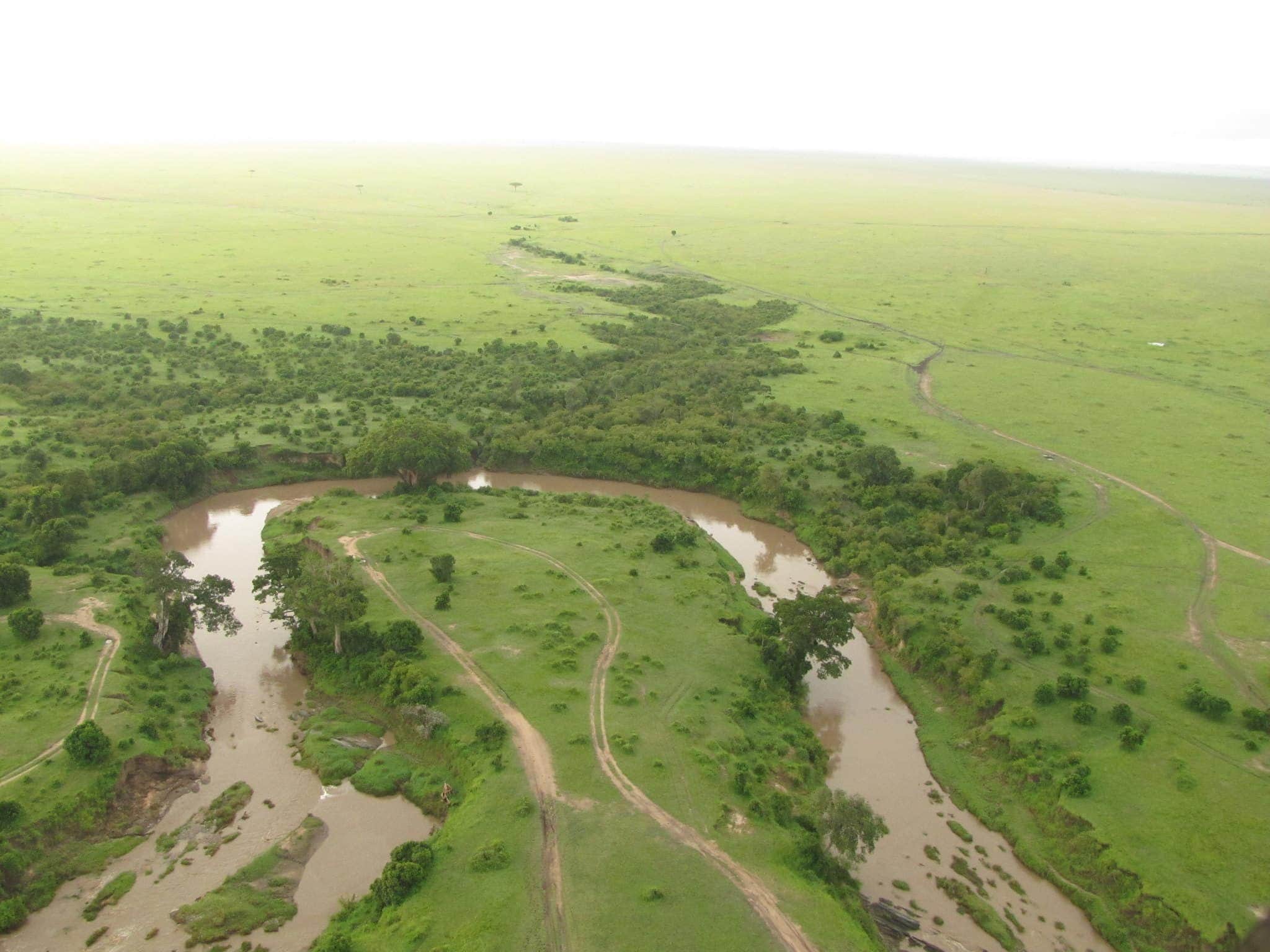
The Sand, Talek River and Mara River are the major rivers that flow through the reserve.
There are four main areas of the reserve:
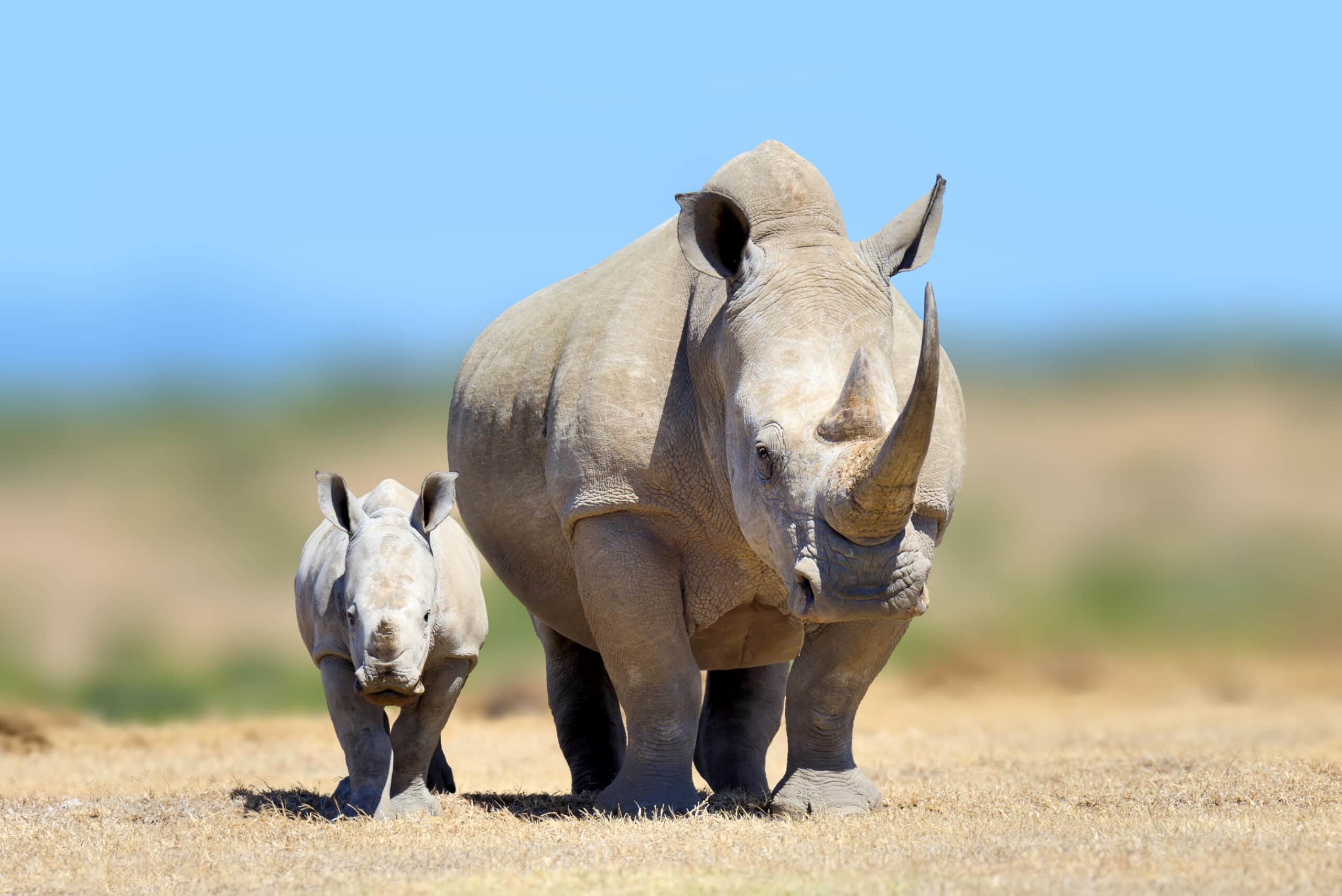
The Ngama Mountains in the east with sandy soil and green shrubs preferred by black rhinos.
The Oloololo slopes form the western boundary and rise to a magnificent plateau.
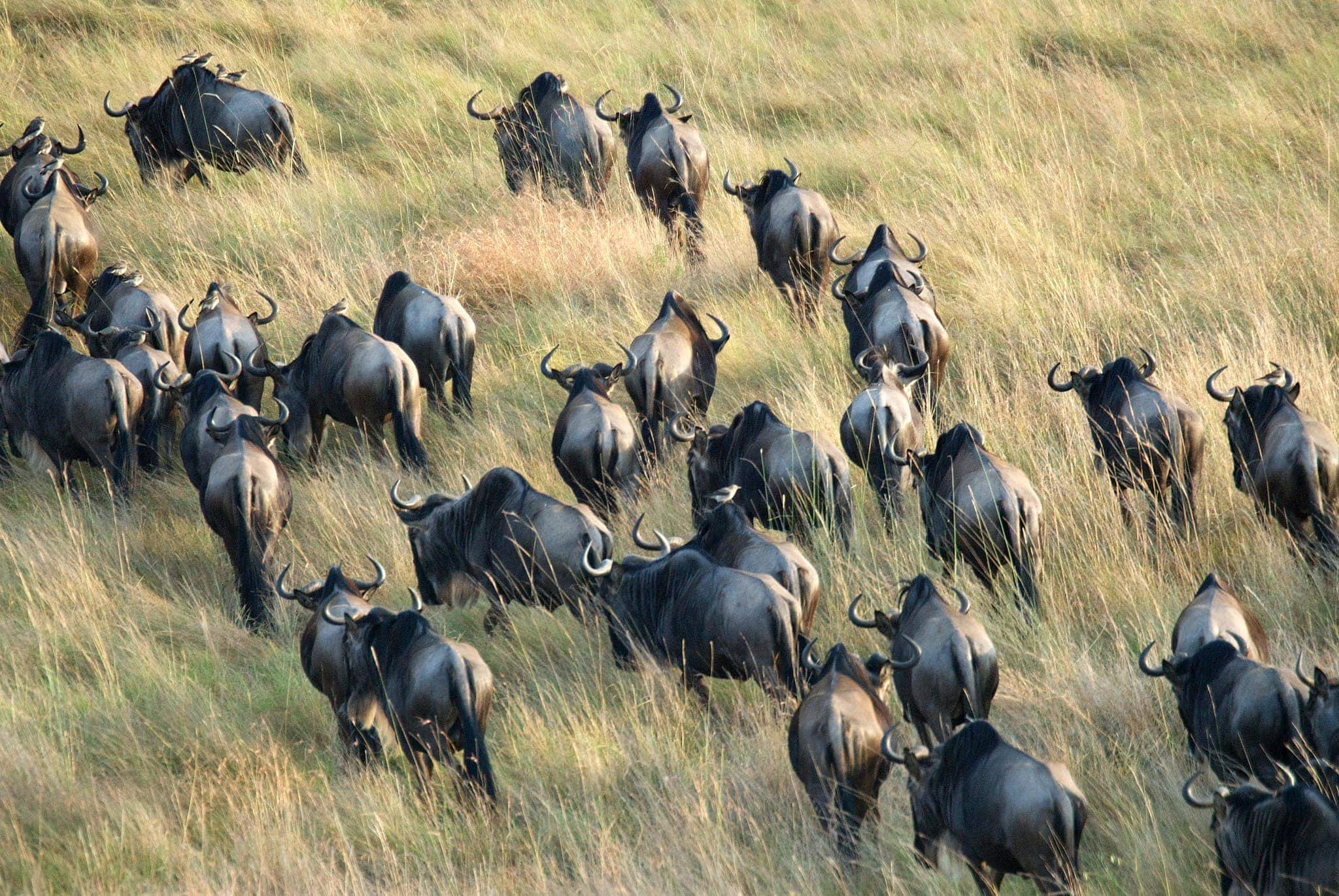
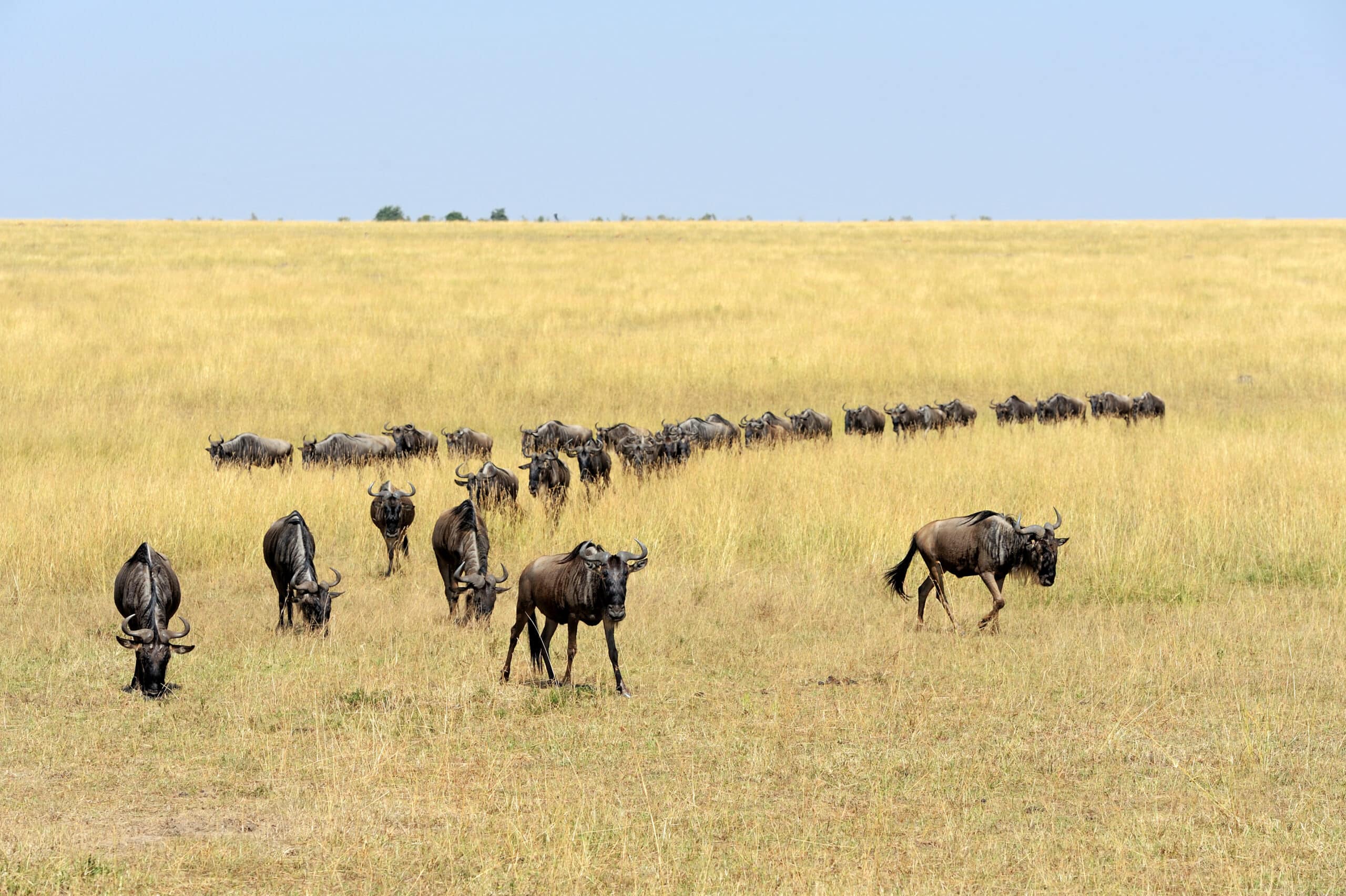
The Mara Triangle on the border of the Mara with lush meadows and acacia forests that attract masses of animals, especially the migratory wildebeest.
The central plains form the largest part of the protected area, with scattered bushes and boulders on gentle meadows that favour animal life there.
Facts
The reserve covers an area of 1584 km2 . There are no night drives and vehicles must be back at the lodges by 18:00 hrs. Several lodges are located outside the park boundaries. This is more of a reserve than a national park and belongs to the Masai people.
Sights
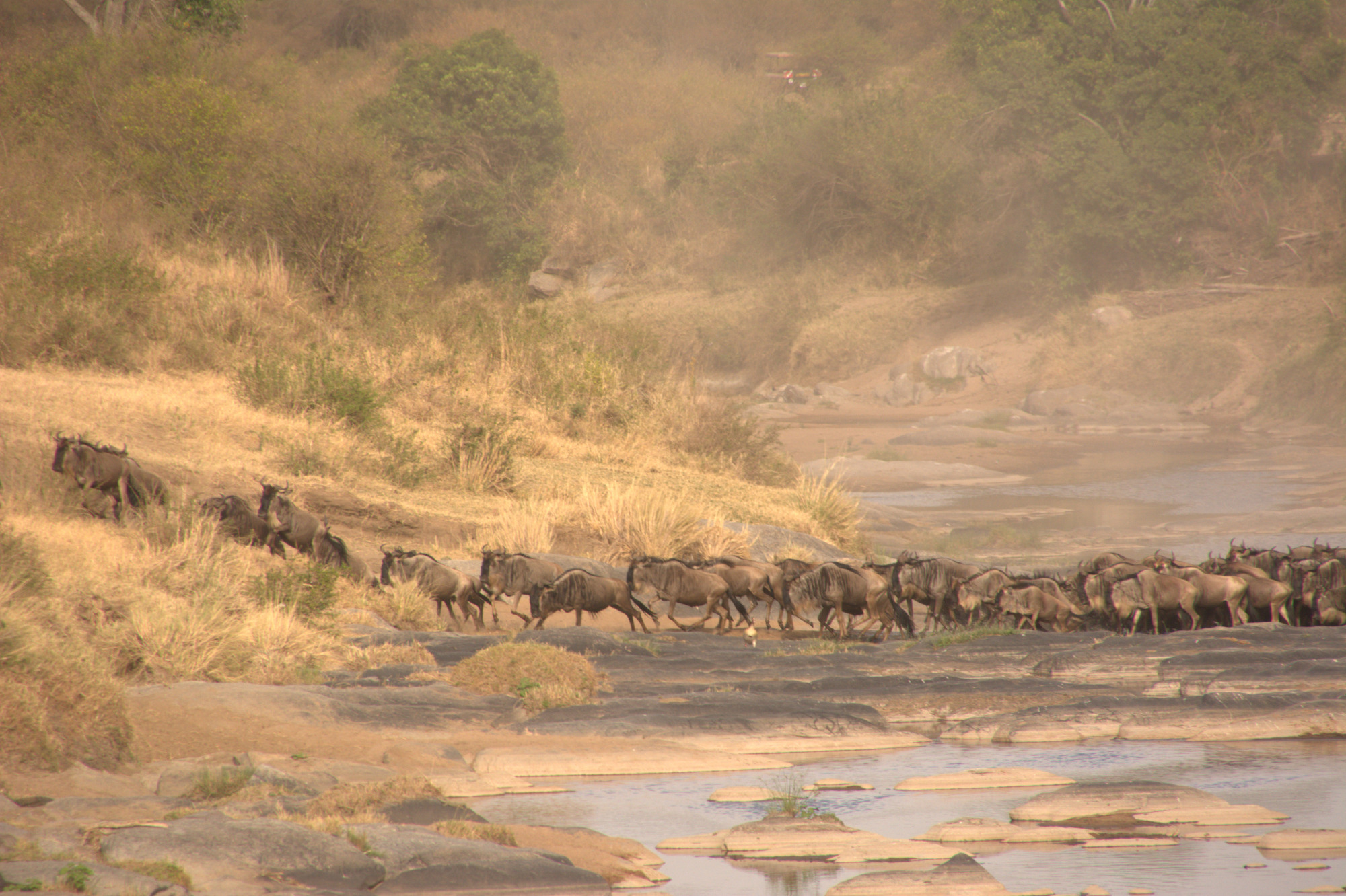
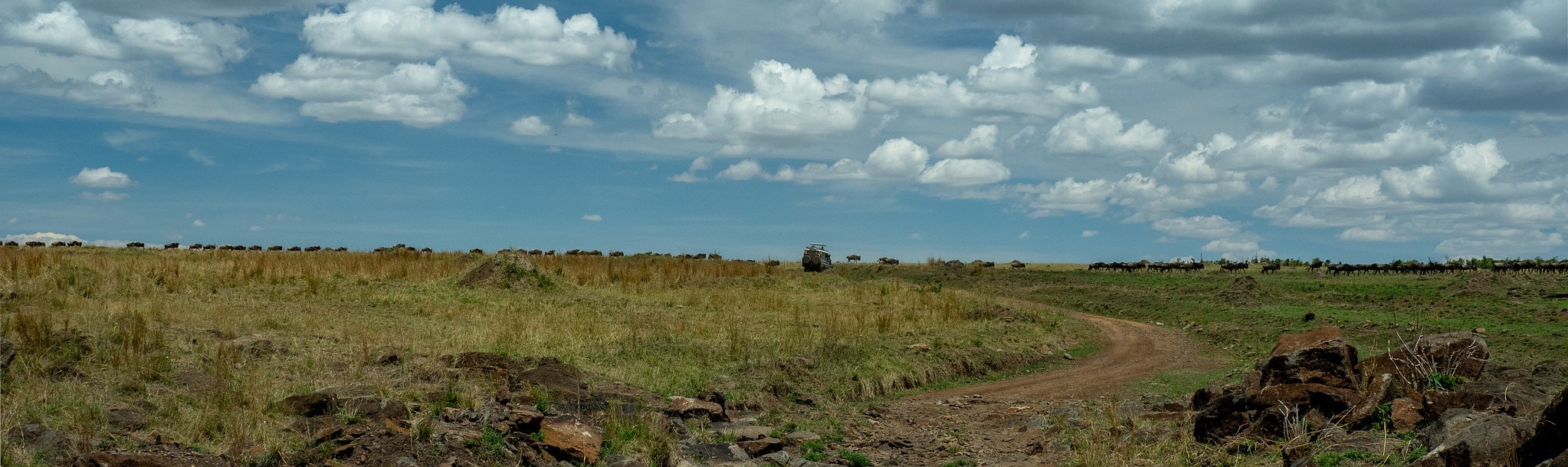
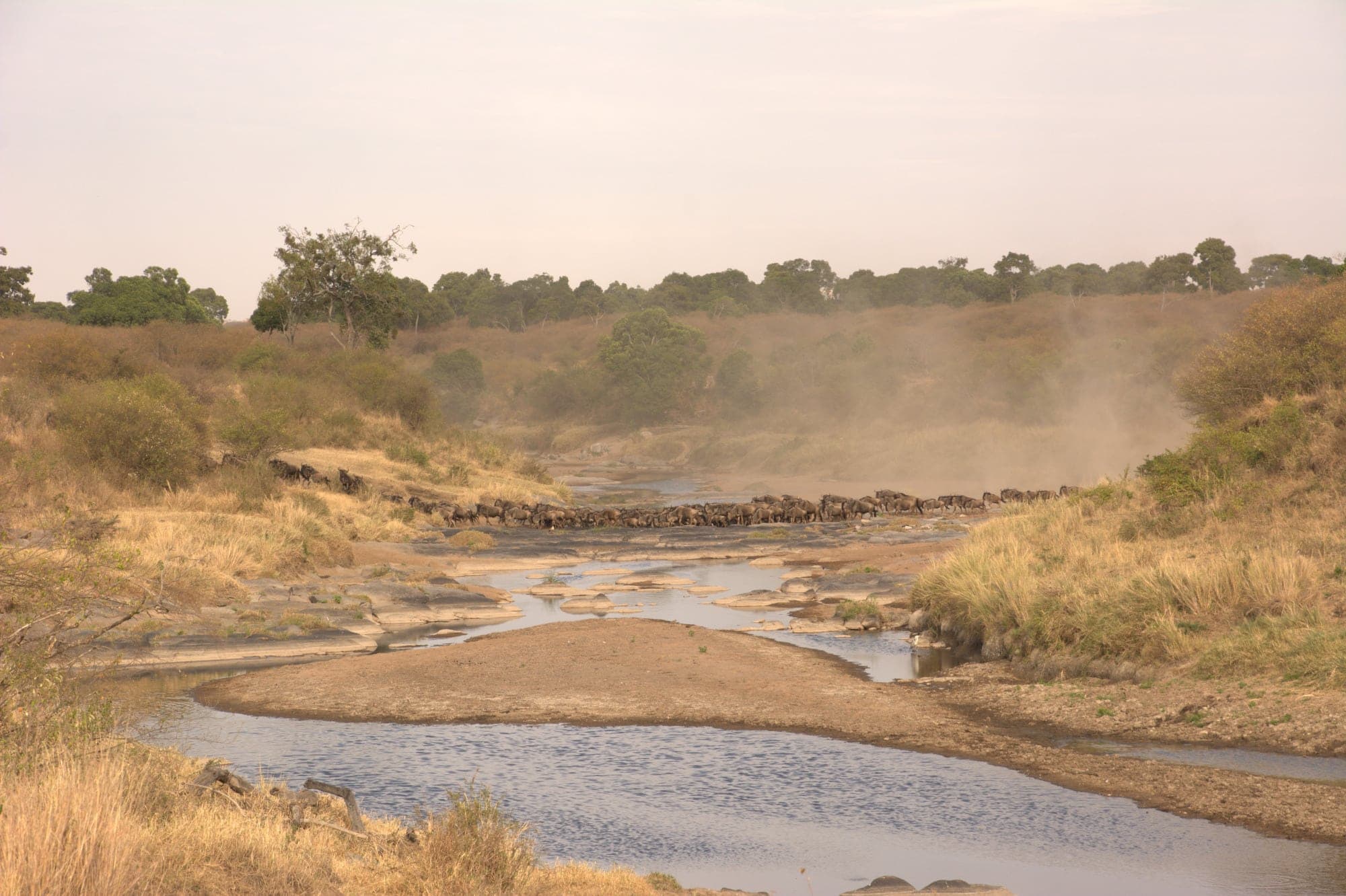
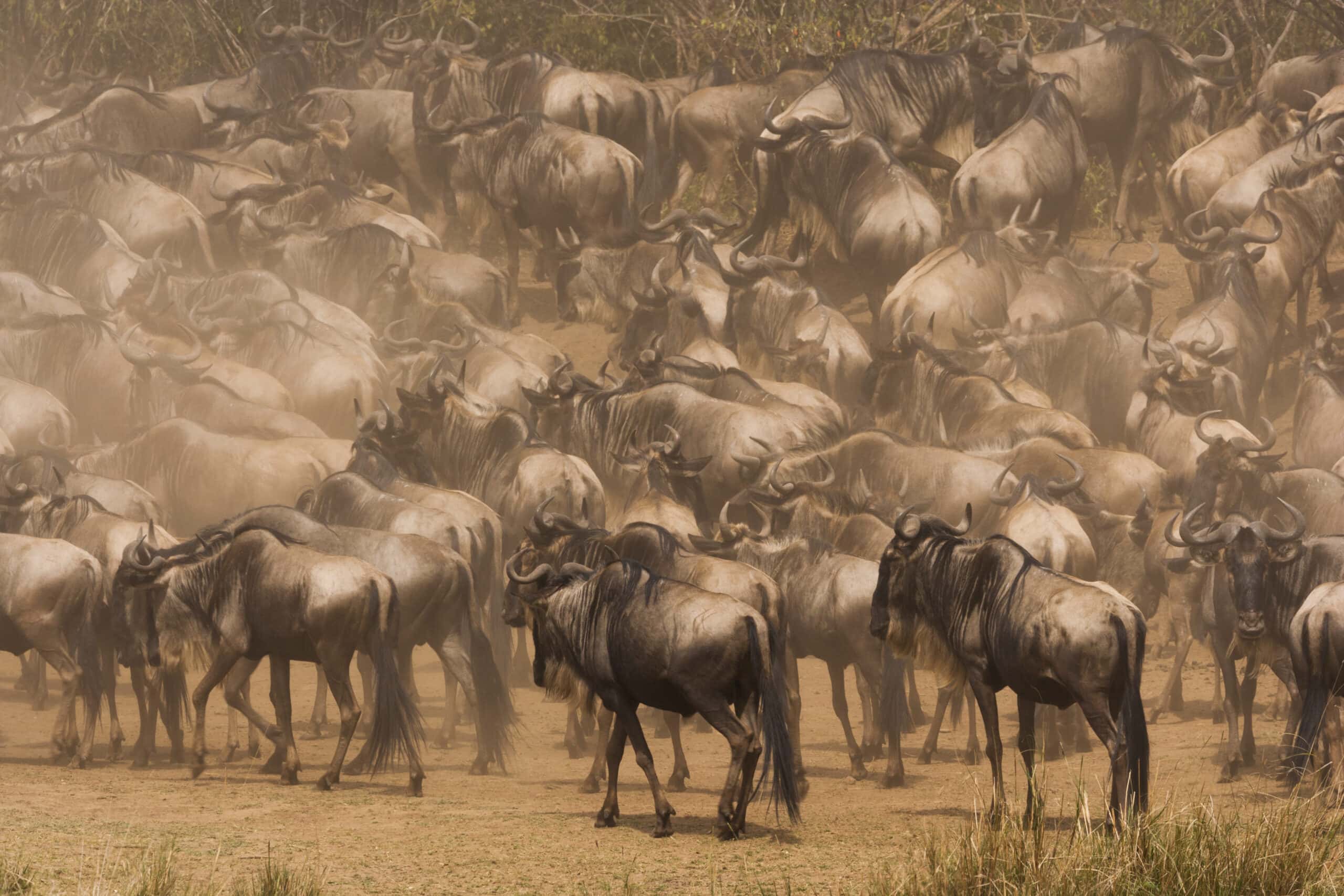
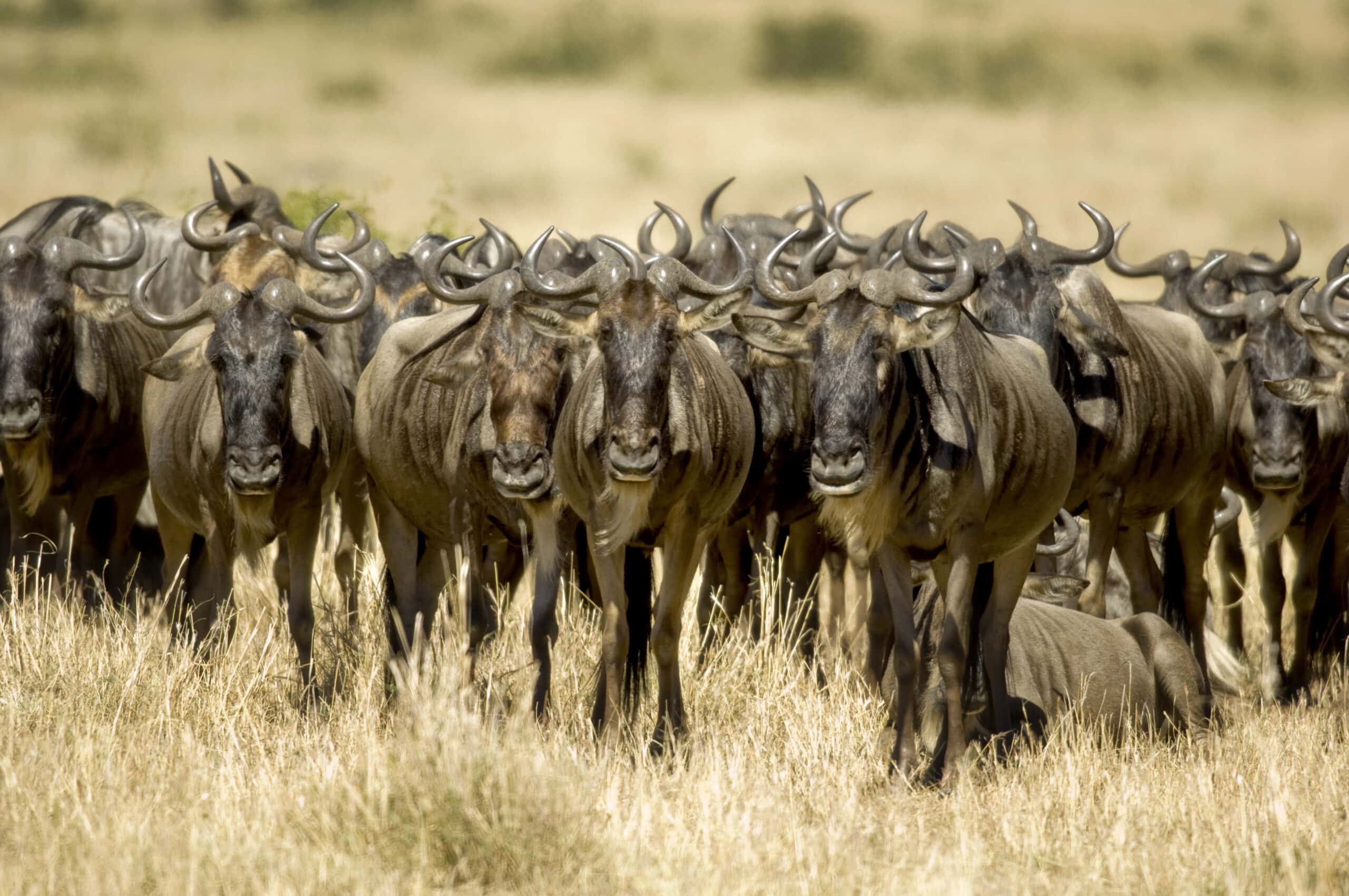
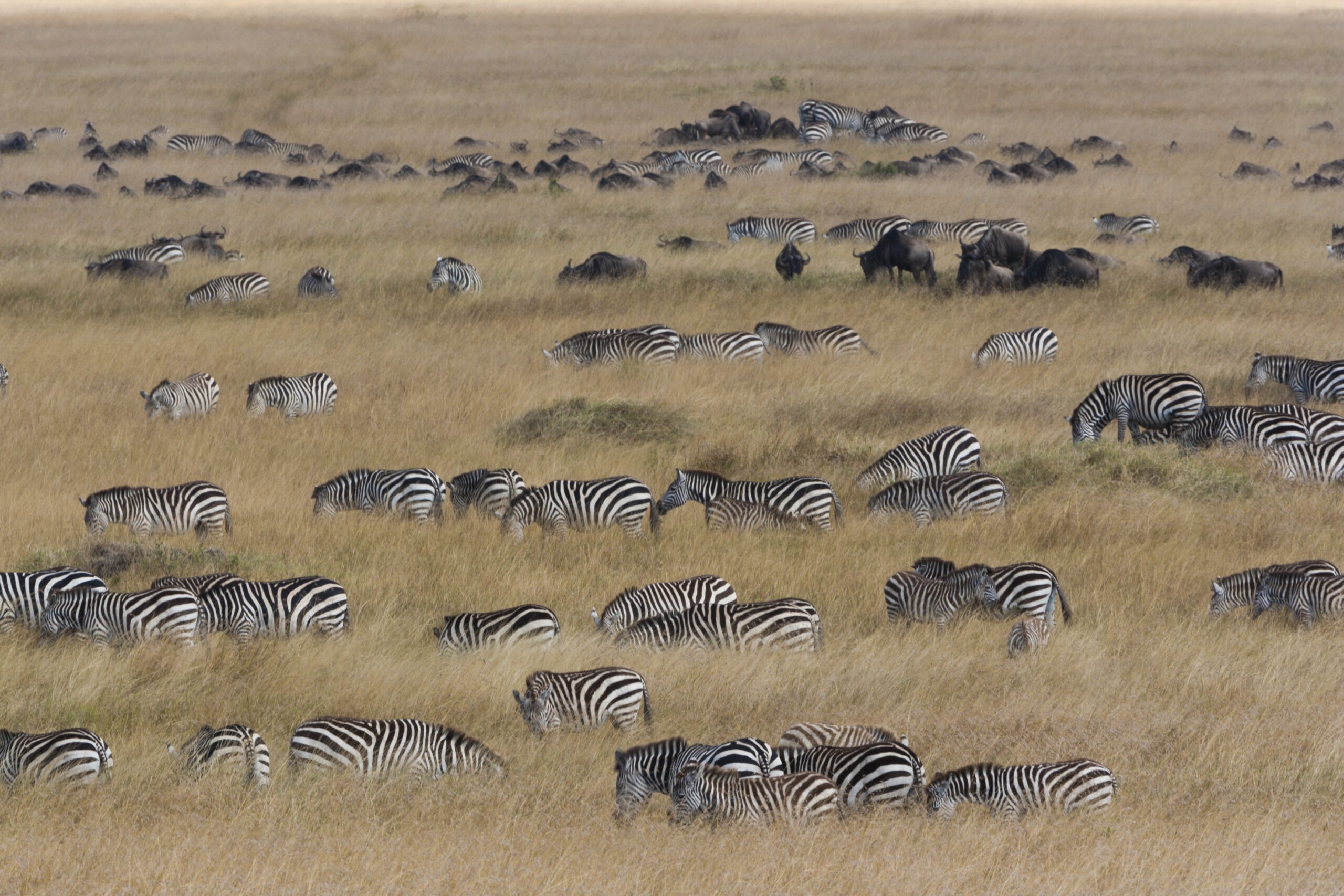
The annual animal migration from the Serengeti to the Mara from June to October. This is a great tourist attraction that brings many tourists to the Mara. From June on, the animals hike over 960 km from the Tanzania’s Serengeti plains, north to the Masai Mara, with the Mara river being the last obstacle. Once they have gulped in the high grass, they leave the Serengeti in October or November. More than 1.3 million wildebeests, 500,000 Thomson gazelles, 200,000 zebras, 97,000 topi antelopes and 18,000 eland antelopes migrate with the big cats and vultures in tow. The herds are ruthlessly hunted by the lions in the wild, as are the crocodiles as they cross the Mara River.
Animal observation
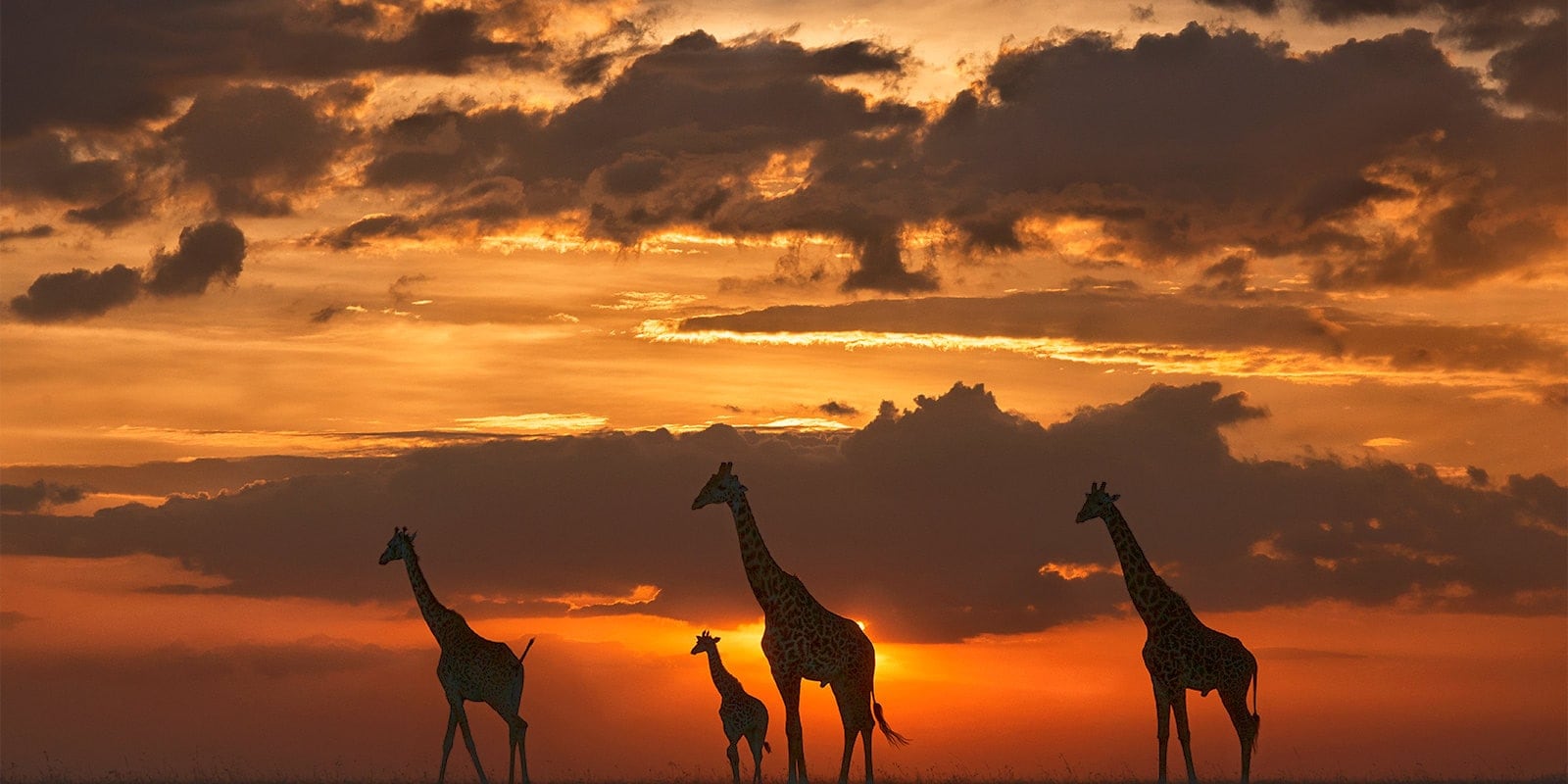
The cats: Lions, leopards, cheetahs, hippos, wildebeests, elephants, zebras, impalas, topis, giraffes, Thomson gazelles. Also regularly seen are hyenas, black-backed jackals and bat-eared foxes. Black rhinos are a little shy and hard to spot, but are often seen from afar. Hippos are abundantly seen at the Mara River, as are Nile crocodiles waiting for a meal.
Balloon Safari
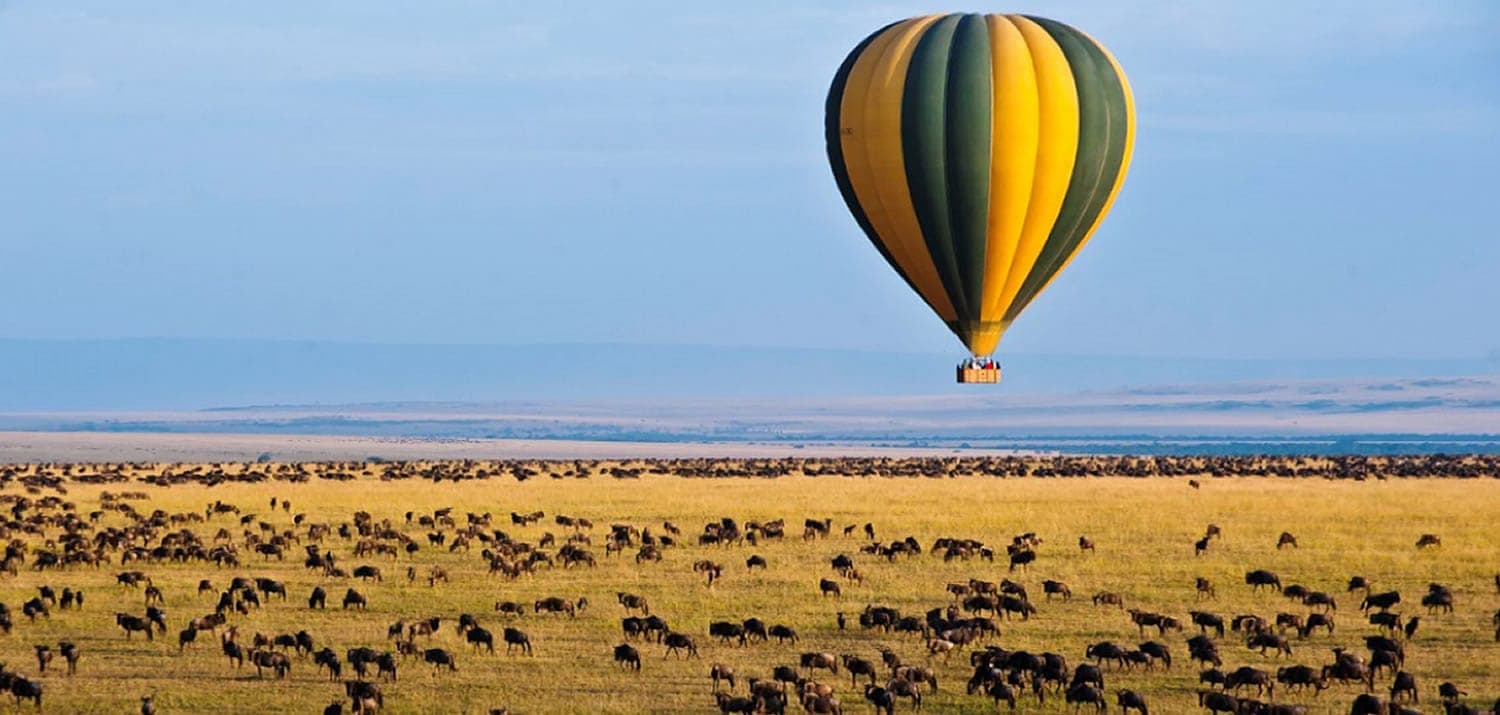
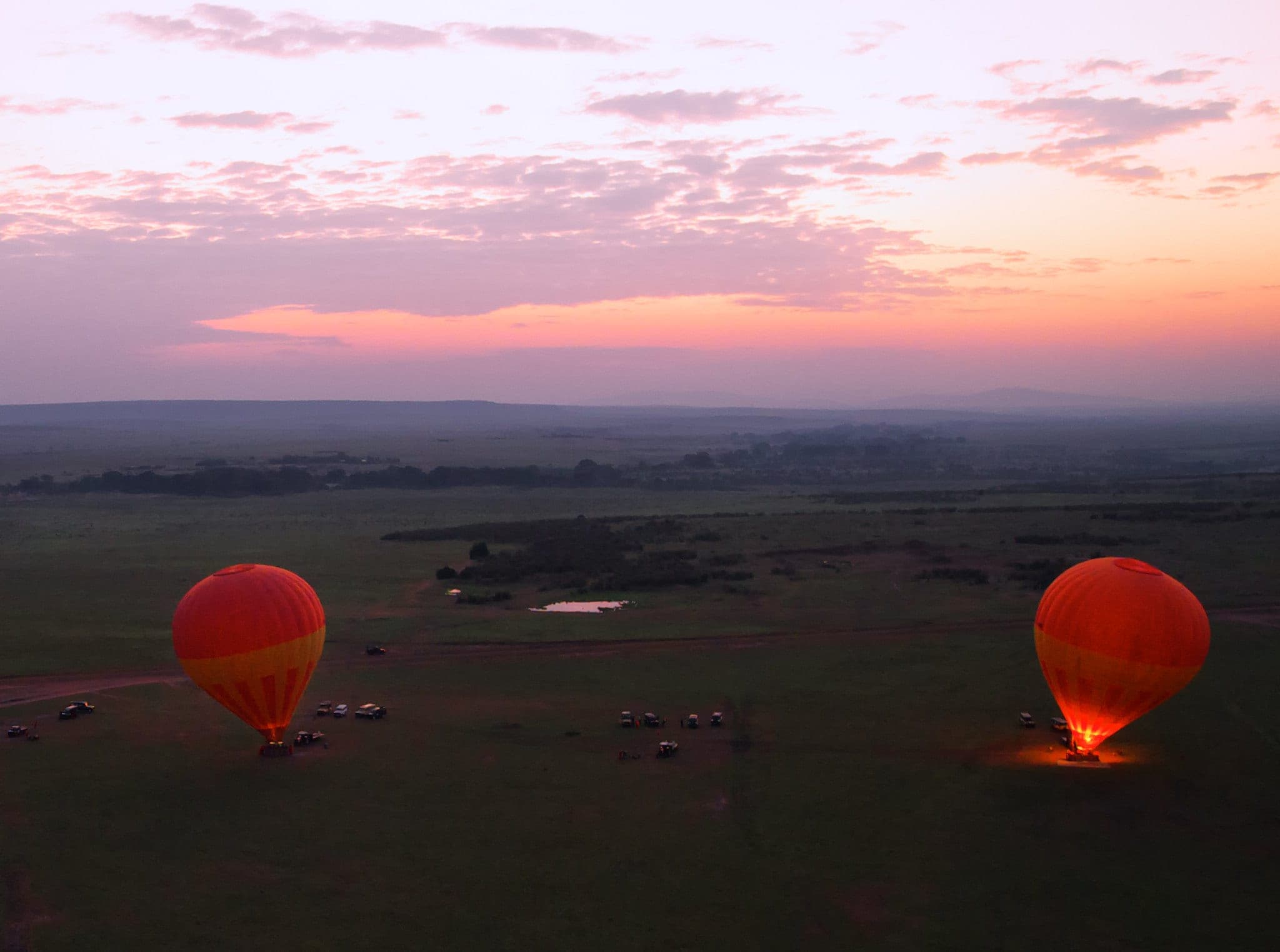
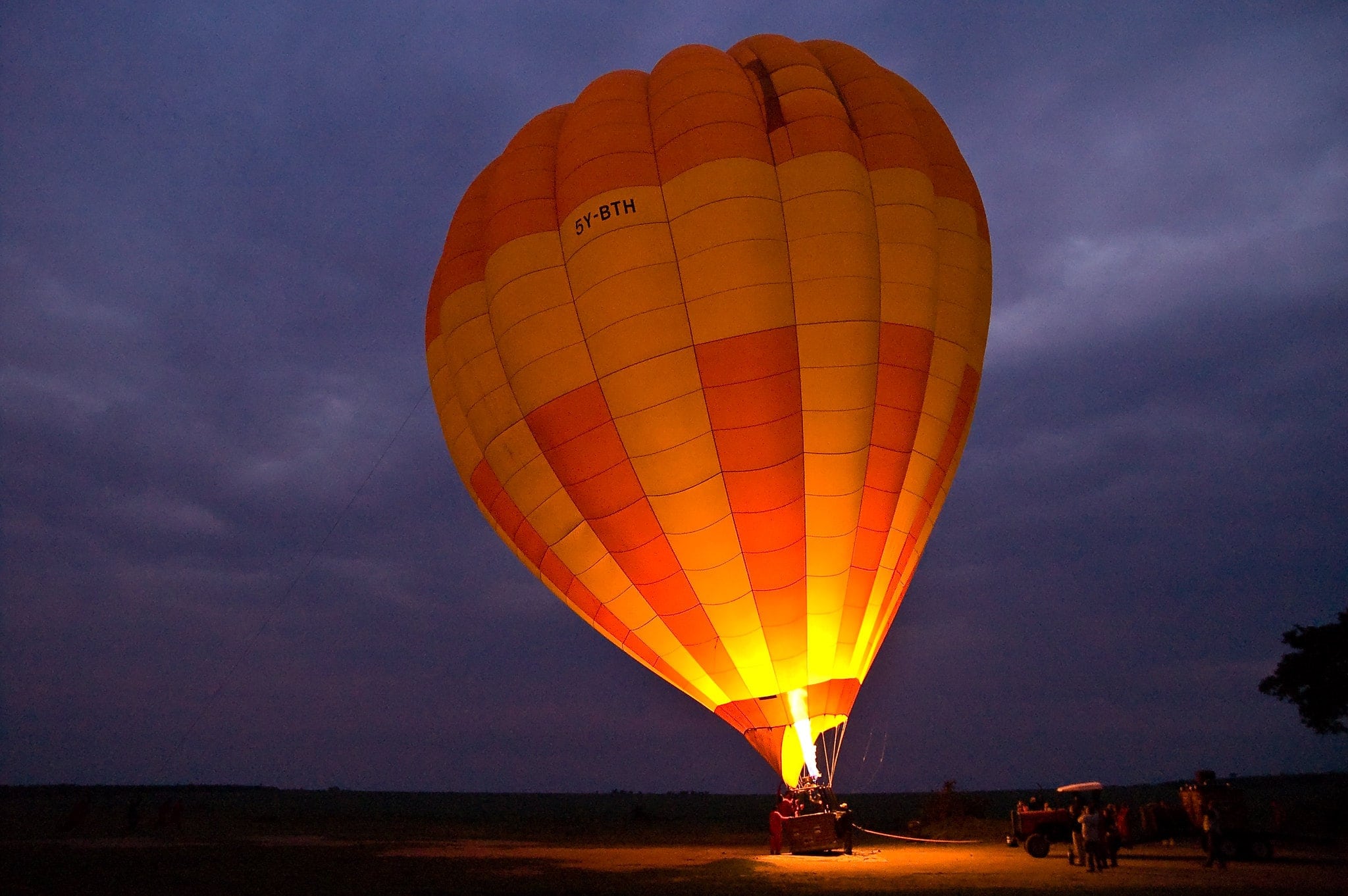
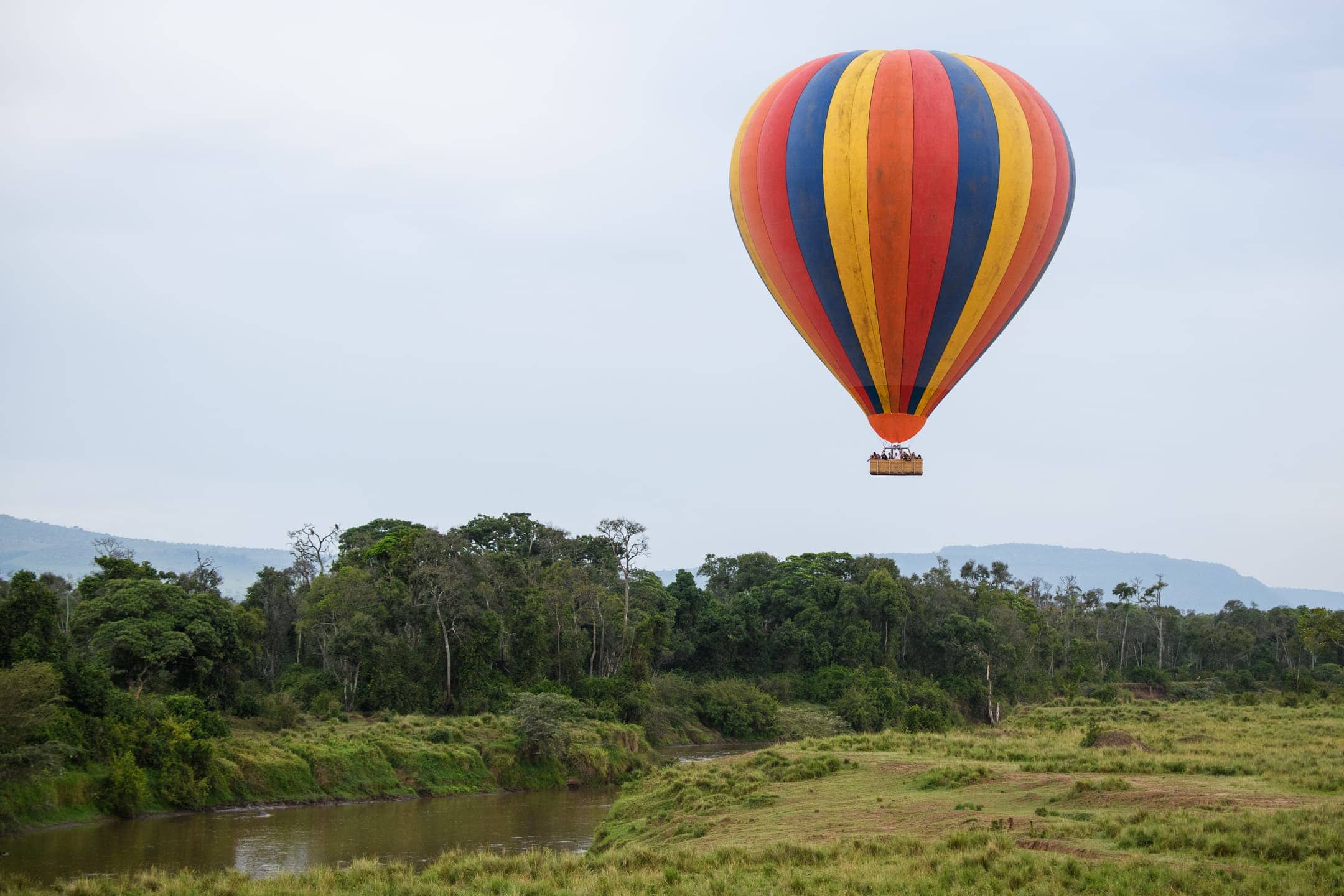
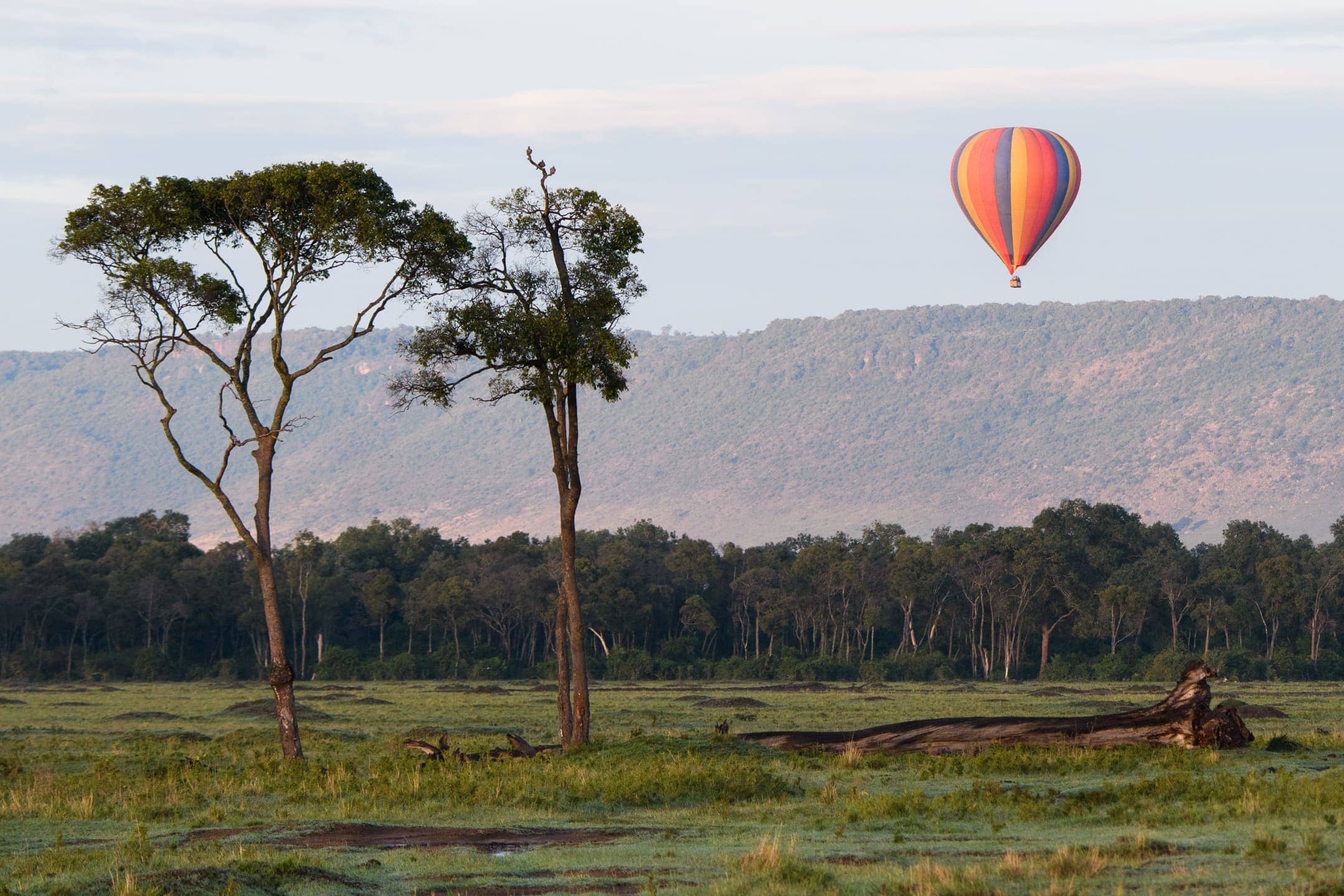
A safari in the Masai Mara is a unique and exciting experience especially during the Gnu migration. Equally tempting is a balloon safari in the Mara. Introduced by Alan Root in 1976 in the Masai Mara, today more than a dozen balloons fly daily from various locations over the Mara for 60 minutes, offering a magnificent panoramic view of forests, plains and rivers of the Mara, or even just above the tallest trees to provide a closer look at the wildlife. Balloon rides are conducted in the early morning hours, when the atmospheric conditions are calm. If you have booked a balloon flight, you will be picked up from your lodge or camp at around 5.30 am for the flight to the launch site. At the launch site you can watch the crew preparing the balloon for launch while you drink a cup of coffee. After a short briefing of the pilot about the safety procedures, the gas burners will be ignited. The balloon slowly fills up with hot air and the passengers climb into basket for the start at about 6:30 a.m. when the sun rises in the east. Within a few minutes you will be carried into the air and blown silently over the Mara by the wind. The view is spectacular and offers fantastic photo opportunities from a perspective that will probably be remembered for years to come. An hour later, the pilot gently lands the balloon in an open area. Champagne bottles are uncorked to celebrate the trip. After the breakfast buffet near the landing site, you will be taken on a game drive back to your lodge or camp. Balloon safaris are offered throughout the year, weather permitting. The cost of operating a trip of approximately one hour is $450 per person. A monetary expense to crown your trip to the world’s best game reserve.
0/5 (0 Reviews)
3 jours d’avion pour le Masai Mara, au départ d’Ukunda, de Mombasa ou de Nairobi, en fonction de la disponibilité, puis safari dans le Masai Mara en Jeep 4×4.
Jour 1: Masai Mara
Vous serez pris en charge à votre hôtel vers 7h30 et conduit à l’aéroport d’Ukunda ou de Mombasa. Vous survolerez ensuite le Kilimandjaro (la plus haute montagne d’Afrique) et atterrirez dans la réserve nationale du Masai Mara en 2 heures, vers 11h00. Vous serez accueillis par notre chauffeur/guide et ferez un safari en 4×4. Rendez-vous au camp pour l’enregistrement et le déjeuner. Détendez-vous jusqu’à 16h00, heure à laquelle vous effectuerez un autre safari jusqu’au coucher du soleil. La réserve nationale du Masai Mara a une superficie de 1584 km² et c’est l’une des réserves nationales les plus célèbres et les plus visitées du Kenya. Les attractions locales comprennent la rivière Mara, la rivière Talek, la colline Loita, les plaines du Serengeti et la migration annuelle des animaux de juillet à septembre. Le paysage est entrecoupé de forêts et de savanes herbeuses avec des forêts d’acacias. Le Masai Mara est célèbre pour ses lions, éléphants, léopards, guépards, gazelles, rhinocéros, hyènes, etc. Il est également attrayant pour les ornithologues. Dîner et nuit au camp Olumara ou dans un autre lieu d’hébergement.
Jour 2: Masai Mara
Tôt le matin, une tasse de café chaud, suivie d’un safari matinal, puis retour au camp pour un petit-déjeuner complet. Après le petit-déjeuner, un autre safari avec une visite à la rivière Mara pour observer les hippopotames, les crocodiles et les sites de migration de la faune pendant la période de migration de juillet à septembre. (Il existe une autre possibilité de safari en voiture avec un panier-repas jusqu’au soir). Dîner et nuit au camp Olumara ou dans un autre lieu d’hébergement.
Jour 3: Masai Mara
Après le petit-déjeuner au camp. Après le petit-déjeuner, ils se rendent à la piste d’atterrissage du Masai Mara pour leur vol de 11h00 à destination d’Ukunda. Notre chauffeur les ramènera à leur hôtel sur la plage où vous arriverez à 14 heures.
Autres possibilités d’hébergement dans le Masai Mara :
N / B 75% de réduction pour les enfants de 3-12 ans.
Le Masai Mara est la faune sauvage la plus célèbre et la plus populaire d’Afrique. Il est situé dans la partie la plus septentrionale de l’écosystème Mara Serengeti, qui couvre 25000 km2 en Tanzanie et au Kenya.
Le parc national du Serengeti au sud, les falaises d’Oloololo / Siria à l’ouest et les zones de bergers Masaï et les zones protégées au nord, à l’est et à la frontière ouest.
Le Sand, la rivière Talek et la rivière Mara sont les principales rivières qui traversent la réserve.
Il y a quatre zones principales dans la réserve :
Les montagnes Ngama à l’est avec un sol sablonneux et des arbustes verts préférés des rhinocéros noirs.
Les pentes d’Oloololo forment la limite occidentale et s’élèvent jusqu’à un magnifique plateau.
Le Triangle de Mara en bordure avec des prairies luxuriantes et des forêts d’acacias qui attirent des masses d’animaux, notamment les gnous migrateurs.
Les plaines centrales constituent la plus grande partie de la zone protégée, avec des buissons et des rochers épars sur des prairies douces qui favorisent la vie animale à cet endroit.
Faits
La réserve couvre une superficie de 1584 km² . Il n’y a pas de visites de nuit et les véhicules doivent être de retour aux lodges avant 18h00. Plusieurs lodges sont situés en dehors des limites du parc. Il s’agit davantage d’une réserve que d’un parc national et elle appartient au peuple Masai.
Viseurs
La migration annuelle des animaux du Serengeti vers le Mara, de juin à octobre. Il s’agit d’une grande attraction touristique qui attire de nombreux touristes dans le Mara. À partir du mois de juin, les animaux parcourent plus de 960 km depuis les plaines tanzaniennes du Serengeti, au nord, jusqu’au Masai Mara, la rivière Mara constituant le dernier obstacle. Une fois qu’ils ont avalé les hautes herbes, ils quittent le Serengeti en octobre ou novembre. Plus de 1,3 million de gnous, 500 000 gazelles de Thomson, 200 000 zèbres, 97 000 antilopes topi et 18 000 antilopes eland migrent avec les grands félins et les vautours à leurs trousses. Les troupeaux sont impitoyablement chassés par les lions dans la nature, tout comme les crocodiles lorsqu’ils traversent la rivière Mara.
Observation des animaux
Les félins : Lions, léopards, guépards, hippopotames, gnous, éléphants, zèbres, impalas, topis, girafes, gazelles de Thomson. On voit aussi régulièrement des hyènes, des chacals à dos noir et des renards à oreilles de chauve-souris. Les rhinocéros noirs sont un peu timides et difficiles à repérer, mais on les voit souvent de loin. Les hippopotames sont abondamment observés à la rivière Mara, tout comme les crocodiles du Nil qui attendent un repas.
Safari en ballon
Un safari dans le Masai Mara est une expérience unique et passionnante, surtout pendant la migration des gnous. Un safari en ballon dans le Mara est tout aussi tentant. Introduit par Alan Root en 1976 dans le Masai Mara, aujourd’hui plus d’une douzaine de ballons volent quotidiennement à partir de différents endroits au-dessus du Mara pendant 60 minutes, offrant une magnifique vue panoramique des forêts, des plaines et des rivières du Mara, ou même juste au-dessus des plus grands arbres pour permettre d’observer la faune de plus près. Les vols en montgolfière ont lieu tôt le matin, lorsque les conditions atmosphériques sont calmes. Si vous avez réservé un vol en montgolfière, vous serez pris en charge à votre lodge ou camp vers 5h30 pour le vol vers le site de lancement. Sur le site de lancement, vous pourrez observer l’équipage préparer le ballon pour le lancement tout en buvant une tasse de café. Après un bref briefing du pilote sur les procédures de sécurité, les brûleurs à gaz seront allumés. Le ballon se remplit lentement d’air chaud et les passagers montent dans la nacelle pour le départ vers 6h30, lorsque le soleil se lève à l’est. En quelques minutes, vous serez transportés dans les airs et emportés en silence au-dessus du Mara par le vent. La vue est spectaculaire et offre des possibilités de photos fantastiques d’un point de vue dont vous vous souviendrez probablement pendant des années. Une heure plus tard, le pilote pose doucement le ballon dans une zone dégagée. Les bouteilles de champagne sont débouchées pour célébrer le voyage. Après le petit-déjeuner buffet près du site d’atterrissage, vous serez ramené en voiture à votre lodge ou camp. Les safaris en montgolfière sont proposés tout au long de l’année, si le temps le permet. Le coût d’un voyage d’environ une heure est de 450 dollars par personne. Une dépense monétaire pour couronner votre voyage dans la meilleure réserve animalière du monde.
0/5 (0 Reviews)
3 Tage Flug in die Masai Mara, ab Ukunda, Mombasa oder Nairobi, je nach Verfügbarkeit und anschließende Safari in der Masai Mara mit einem 4×4 Jeep.
Tag 1: Masai Mara
Sie werden gegen 7:30 Uhr von Ihrem Hotel abgeholt und zum Ukunda oder Mombasa Flughafen gefahren. Dann fliegen Sie über den Kilimanjaro (höchster Berg Afrikas) und landen in 2 Stunden im Massai Mara Nationalreservat, wo Sie gegen 11:00 Uhr ankommen. Sie werden von unserem Fahrer/Führer abgeholt und machen eine Pirschfahrt mit einem 4×4 Fahrzeug. Weiterfahrt zum Camp zum Einchecken und Mittagessen. Entspannen Sie sich bis 16.00 Uhr, wo Sie auf eine weitere Pirschfahrt bis zum Sonnenuntergang gehen. Das Masai Mara Nationalreservat hat eine Fläche von 1584 km2 und ist eines der bekanntesten und meistbesuchten Nationalreservate in Kenia. Zu den lokalen Attraktionen gehören der Mara-Fluss, der Talek-Fluss, der Loita Hill, die Serengeti-Ebenen und die jährliche Tierwanderung von Juli bis September. Die Landschaft ist von Wald und Grassavanne mit Akazienwäldern durchsetzt. Die Masai Mara ist berühmt für ihre Löwen, Elefanten, Leoparden, Geparden, Gazellen, Nashörner, Hyänen usw. Sie ist auch für Vogelbeobachter attraktiv. Abendessen und Übernachtung im Olumara Camp oder einer anderen alternativen Unterkunft.
Tag 2: Masai Mara
Frühmorgens eine Tasse heißer Kaffee, gefolgt von einer frühmorgendlichen Pirschfahrt, dann zurück zum Camp für ein komplettes Frühstück. Nach dem Frühstück weitere Pirschfahrt mit Besuch des Mara-Flusses zur Beobachtung von Nilpferden, Krokodilen und Wildtierwanderungen während der Migrationszeit von Juli bis September. (Es gibt eine weitere Möglichkeit für eine Pirschfahrt mit einem Lunchpaket bis zum Abend). Abendessen und Übernachtung im Olumara Camp oder einer anderen alternativen Unterkunft.
Tag 3: Masai Mara
Nach dem Frühstück im Camp. Nach dem Frühstück fahren sie zum Masai Mara Airstrip für ihren 11.00 Uhr Flug nach Ukunda. Unser Fahrer wird sie zurück zu ihrem Strandhotel bringen, wo Sie um 14.00 Uhr ankommen werden.
Alternative Unterkunftsmöglichkeiten in Masai Mara sind:
N / B 75% Rabatt für Kinder von 3-12 Jahren.
Die Masai Mara ist die berühmteste und beliebteste Tierwelt Afrikas. Sie befindet sich im nördlichsten Teil des Mara-Serengeti-Ökosystems, das sich über 25000 km² in Tansania und Kenia erstreckt.
Der Serengeti-Nationalpark im Süden, die Oloololo-/Siria-Klippen im Westen und die Masai-Hirtengebiete und Schutzgebiete im Norden, Osten und Westen grenzen an.
Der Sand, der Talek River und der Mara River sind die wichtigsten Flüsse, die durch das Reservat fließen.
Das Reservat besteht aus vier Hauptgebieten:
Die Ngama-Berge im Osten mit sandigem Boden und grünen Sträuchern, die von Spitzmaulnashörnern bevorzugt werden.
Die Oloololo-Hänge bilden die westliche Grenze und erheben sich zu einem herrlichen Plateau.
Das Mara-Dreieck am Rande der Mara mit üppigen Wiesen und Akazienwäldern, die Massen von Tieren anziehen, insbesondere die wandernden Gnus.
Die zentralen Ebenen bilden den größten Teil des Schutzgebiets, mit verstreuten Büschen und Felsbrocken auf sanften Wiesen, die das Tierleben dort begünstigen.
Fakten
Das Reservat umfasst eine Fläche von 1584 km2. Es gibt keine Nachtfahrten, und die Fahrzeuge müssen bis 18:00 Uhr zu den Lodges zurückgebracht werden. Mehrere Lodges befinden sich außerhalb der Parkgrenzen. Das Gebiet ist eher ein Reservat als ein Nationalpark und gehört dem Volk der Masai.
Sehenswürdigkeiten
Die jährliche Tierwanderung von der Serengeti in die Mara von Juni bis Oktober. Dies ist eine große Touristenattraktion, die viele Touristen in die Mara bringt. Ab Juni wandern die Tiere über 960 km von den Serengeti-Ebenen Tansanias nach Norden in die Masai Mara, wobei der Mara-Fluss das letzte Hindernis darstellt. Nachdem sie das hohe Gras verschlungen haben, verlassen sie im Oktober oder November die Serengeti. Mehr als 1,3 Millionen Gnus, 500 000 Thomson-Gazellen, 200 000 Zebras, 97 000 Topi-Antilopen und 18 000 Elenantilopen wandern mit den Großkatzen und Geiern im Schlepptau. Die Herden werden in freier Wildbahn von den Löwen erbarmungslos gejagt, ebenso von Krokodilen, wenn sie den Mara-Fluss überqueren.
Tierbeobachtung
Die Katzen: Löwen, Leoparden, Geparden, Flusspferde, Gnus, Elefanten, Zebras, Impalas, Topis, Giraffen, Thomson-Gazellen. Regelmäßig zu sehen sind auch Hyänen, Schabrackenschakale und Löffelhunde. Spitzmaulnashörner sind ein wenig scheu und schwer auszumachen, werden aber oft aus der Ferne gesehen. Am Mara-Fluss sind Flusspferde und Nilkrokodile, die auf eine Mahlzeit warten, zahlreich vertreten.
Ballon-Safari
Eine Safari in der Masai Mara ist ein einzigartiges und aufregendes Erlebnis, besonders während der Gnu-Wanderung. Genauso verlockend ist eine Ballon-Safari in der Mara. Sie wurde 1976 von Alan Root in der Masai Mara eingeführt. Heute fliegen täglich mehr als ein Dutzend Ballons von verschiedenen Standorten aus 60 Minuten lang über die Mara und bieten einen herrlichen Panoramablick auf die Wälder, Ebenen und Flüsse der Mara oder sogar knapp über den höchsten Bäumen, um einen näheren Blick auf die Tierwelt zu werfen. Die Ballonfahrten finden in den frühen Morgenstunden statt, wenn die Atmosphäre ruhig ist. Wenn Sie eine Ballonfahrt gebucht haben, werden Sie gegen 5:30 Uhr von Ihrer Lodge oder Ihrem Camp abgeholt, um zum Startplatz zu fahren. Am Startplatz können Sie bei einer Tasse Kaffee beobachten, wie die Crew den Ballon für den Start vorbereitet. Nach einer kurzen Einweisung des Piloten in die Sicherheitsvorkehrungen werden die Gasbrenner gezündet. Der Ballon füllt sich langsam mit heißer Luft und die Passagiere klettern in den Korb, um gegen 6:30 Uhr, wenn die Sonne im Osten aufgeht, zu starten. Innerhalb weniger Minuten werden Sie in die Luft getragen und vom Wind lautlos über die Mara geblasen. Die Aussicht ist spektakulär und bietet fantastische Fotomöglichkeiten aus einer Perspektive, an die man sich wahrscheinlich noch Jahre später erinnern wird. Eine Stunde später landet der Pilot den Ballon sanft auf einer freien Fläche. Zur Feier der Fahrt werden Champagnerflaschen entkorkt. Nach dem Frühstücksbuffet in der Nähe des Landeplatzes werden Sie auf eine Pirschfahrt zurück zu Ihrer Lodge oder Ihrem Camp gebracht. Ballonsafaris werden das ganze Jahr über angeboten, sofern das Wetter es zulässt. Die Kosten für eine etwa einstündige Fahrt betragen $450 pro Person. Ein finanzieller Aufwand, der Ihre Reise in das beste Wildreservat der Welt krönt.
0/5 (0 Reviews)
3 giorni di volo per il Masai Mara, da Ukunda, Mombasa o Nairobi, a seconda della disponibilità e successivo safari nel Masai Mara con una jeep 4×4.
Giorno 1: Masai Mara
Sarete prelevati dal vostro hotel intorno alle 7.30 e accompagnati all’aeroporto di Ukunda o Mombasa. Poi sorvolerete il monte Kilimanjaro (la montagna più alta in Africa) atterrando nella riserva nazionale del Masai Mara in 2 ore, arrivando a circa 11.00 am. Sarete accolti dal nostro autista/guida e avrete un game drive sulla strada per con un veicolo 4×4. Procedere al campo per il check-in e il pranzo. Rilassatevi fino alle 16.00 dove farete un altro game drive fino al tramonto. La Riserva Nazionale Masai Mara ha una superficie di 1584 km2 ed è una delle riserve nazionali più famose e più visitate del Kenya. Le attrazioni locali includono il fiume Mara, il fiume Talek, la collina Loita, le pianure del Serengeti e la migrazione annuale degli animali da luglio a settembre. Il paesaggio è intervallato da foresta e savana con foreste di acacia. Il Masai Mara è famoso per i suoi leoni, elefanti, leopardi, ghepardi, gazzelle, rinoceronti, iene, ecc. È anche attraente per gli appassionati di birdwatching. Cena e pernottamento all’Olumara Camp o in altra sistemazione alternativa.
Giorno 2: Masai Mara
Tazza di caffè caldo al mattino presto, seguita da un fotosafari mattutino, poi ritorno al campo per una colazione completa. Dopo colazione un altro fotosafari con visita al fiume Mara per osservare ippopotami, coccodrilli e siti di migrazione della fauna selvatica durante il periodo della migrazione da luglio a settembre. (C’è un’altra possibilità per un game drive con un pranzo al sacco fino alla sera). Cena e pernottamento all’Olumara Camp o in altra sistemazione alternativa.
Giorno 3: Masai Mara
Dopo la colazione al campo. Dopo la colazione, i partecipanti si recheranno alla pista di atterraggio del Masai Mara per il volo delle 11.00 per Ukunda. Il nostro autista li riaccompagnerà al loro hotel sulla spiaggia dove arriverete alle 14.00.
Alloggi alternativi a Masai Mara sono:
N / B 75% di sconto per i bambini da 3-12 anni.
Il Masai Mara è la più famosa e popolare riserva naturale dell’Africa. Si trova nella parte più settentrionale dell’ecosistema Mara Serengeti, che copre 25000 km2 in Tanzania e Kenya.
Il Parco Nazionale del Serengeti a sud, le scogliere di Oloololo / Siria a ovest e le aree dei pastori Masai e le aree protette a nord, est e confine occidentale.
La sabbia, il fiume Talek e il fiume Mara sono i principali fiumi che scorrono attraverso la riserva.
Ci sono quattro aree principali della riserva:
Le montagne Ngama a est con terreno sabbioso e arbusti verdi preferiti dai rinoceronti neri.
Le pendici di Oloololo formano il confine occidentale e si elevano in un magnifico altopiano.
Il Triangolo del Mara al confine con prati lussureggianti e foreste di acacia che attirano masse di animali, specialmente gli gnu migratori.
Le pianure centrali formano la parte più grande dell’area protetta, con cespugli e massi sparsi su dolci prati che favoriscono la vita degli animali.
Fatti
La riserva copre un’area di 1584 km² . Non ci sono escursioni notturne e i veicoli devono tornare ai lodge entro le 18:00. Diversi lodge si trovano al di fuori dei confini del parco. Questa è più una riserva che un parco nazionale e appartiene al popolo Masai.
Attrazioni
La migrazione annuale degli animali dal Serengeti al Mara da giugno a ottobre. Questa è una grande attrazione turistica che porta molti turisti al Mara. Da giugno in poi, gli animali percorrono più di 960 km dalle pianure del Serengeti in Tanzania, a nord del Masai Mara, con il fiume Mara come ultimo ostacolo. Una volta che si sono nutriti dell’erba alta, lasciano il Serengeti in ottobre o novembre. Più di 1,3 milioni di gnu, 500.000 gazzelle Thomson, 200.000 zebre, 97.000 antilopi topi e 18.000 antilopi eland migrano con i grandi felini e gli avvoltoi al seguito. Le mandrie sono cacciate spietatamente dai leoni in natura, così come i coccodrilli quando attraversano il fiume Mara.
Osservazione degli animali
I felini: Leoni, leopardi, ghepardi, ippopotami, gnu, elefanti, zebre, impala, topini, giraffe, gazzelle di Thomson. Si vedono regolarmente anche iene, sciacalli neri e volpi dalle orecchie di pipistrello. I rinoceronti neri sono un po’ timidi e difficili da individuare, ma sono spesso visti da lontano. Gli ippopotami si vedono abbondantemente al fiume Mara, così come i coccodrilli del Nilo in attesa di un pasto.
Safari in mongolfiera
Un safari nel Masai Mara è un’esperienza unica ed emozionante soprattutto durante la migrazione degli Gnu. Altrettanto allettante è un safari in mongolfiera nel Mara. Introdotto da Alan Root nel 1976 nel Masai Mara, oggi più di una dozzina di palloni volano ogni giorno da varie località sopra il Mara per 60 minuti, offrendo una magnifica vista panoramica delle foreste, delle pianure e dei fiumi del Mara, o anche appena sopra gli alberi più alti per fornire uno sguardo più ravvicinato alla fauna selvatica. I giri in mongolfiera vengono effettuati nelle prime ore del mattino, quando le condizioni atmosferiche sono calme. Se avete prenotato un volo in mongolfiera, sarete prelevati dal vostro lodge o campo intorno alle 5.30 del mattino per il volo verso il sito di lancio. Al sito di lancio si può guardare l’equipaggio che prepara il pallone per il lancio mentre si beve una tazza di caffè. Dopo un breve briefing del pilota sulle procedure di sicurezza, i bruciatori a gas saranno accesi. Il pallone si riempie lentamente di aria calda e i passeggeri salgono nella cesta per la partenza alle 6:30 circa, quando il sole sorge a est. In pochi minuti sarete portati in aria e soffiati silenziosamente sul Mara dal vento. La vista è spettacolare e offre fantastiche opportunità di foto da una prospettiva che probabilmente sarà ricordata per gli anni a venire. Un’ora dopo, il pilota fa atterrare dolcemente il pallone in un’area aperta. Le bottiglie di champagne vengono stappate per celebrare il viaggio. Dopo la colazione a buffet vicino al luogo dell’atterraggio, sarete accompagnati in un game drive per tornare al vostro lodge o campo. I safari in mongolfiera sono offerti tutto l’anno, tempo permettendo. Il costo di gestione di un viaggio di circa un’ora è di 450 dollari a persona. Una spesa monetaria per coronare il tuo viaggio nella migliore riserva di caccia del mondo.
0/5 (0 Reviews)
- DepartureNairobi o Diani Beach o Aeroporto di Mombasa
- IncludedTutti i game drive in jeep 4x4Pernottamento con pensione completaVolo di ritorno da Ukunda o Mombasa, soggetto a disponibilitàVolo opzionale di andata dall'aeroporto Wilson di Nairobi, volo di ritorno per Ukunda o Mombasa, soggetto a disponibilitàRaccolta e viaggio di ritorno all'hotel / aeroportoGuida safari in ingleseTutte le tasse e le imposte governativeTasse per i parchi nazionali
- Not IncludedBevande nel Lodge/CampoMance e cose di necessità personale